Speed skating is a sport characterized by exceptional velocity, technical skill, and continuous innovation, combining athleticism and technology in pursuit of record-breaking performance.
ISU Skating, an international skating organization, provides detailed insights into the essentials of speed skating.
Speed skating is recognized as the fastest self-paced sport globally, with athletes reaching top speeds exceeding 62 kilometers per hour in sprint races and maintaining speeds close to 50 kilometers per hour in longer distances. Notably, Dutch skater Kjeld Nuis once surpassed 100 kilometers per hour on a specially prepared outdoor track, demonstrating the extreme potential of skating speeds under ideal conditions.
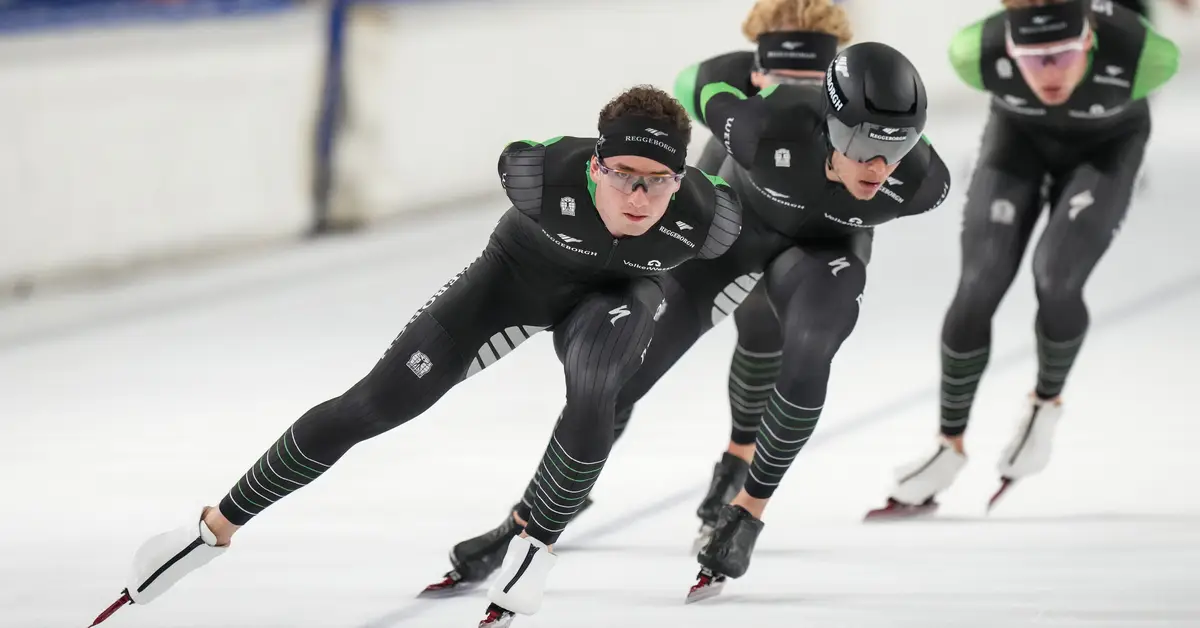
Distinct from running, the technique in speed skating involves a powerful sideways push while maintaining a low posture with deep knee and hip bends. This technique maximizes propulsion and minimizes air resistance. Approaching corners requires cross-over steps and the ability to accelerate effectively, with careful balance essential to preserve speed and avoid loss of momentum.
Competitive speed skating involves racing against the clock on a 400-meter oval track, where skaters alternate lanes to complete equal distances. Events vary from sprints of 500 meters to endurance contests like the 10,000-meter race. The 1500-meter event is often regarded as the benchmark for balancing speed and endurance, while multi-race formats like the Allround and Sprint Championships evaluate overall consistency.
Beyond time-trial competitions, newer formats such as the Team Pursuit and Mass Start introduce direct competition between athletes and teams. The Team Pursuit consists of teams racing simultaneously over set laps, with elimination rounds in major tournaments. The Mass Start is a pack race involving multiple laps and intermediate sprints, emphasizing tactics, positioning, and endurance within a dynamic group setting.
Speed skating continues to evolve through advances in technology and equipment, transitioning from natural ice surfaces to climate-controlled indoor venues, and innovating boot design and skate mechanics. Contemporary training incorporates aerodynamic testing and strategic planning, highlighting the integration of sports science in enhancing performance. As a result, the sport represents an ongoing synthesis of human ability and technological progress aimed at improving speed and efficiency.