/s3/static.nrc.nl/wp-content/uploads/2025/12/27191745/271225OPI_2028352231_3k.jpg)
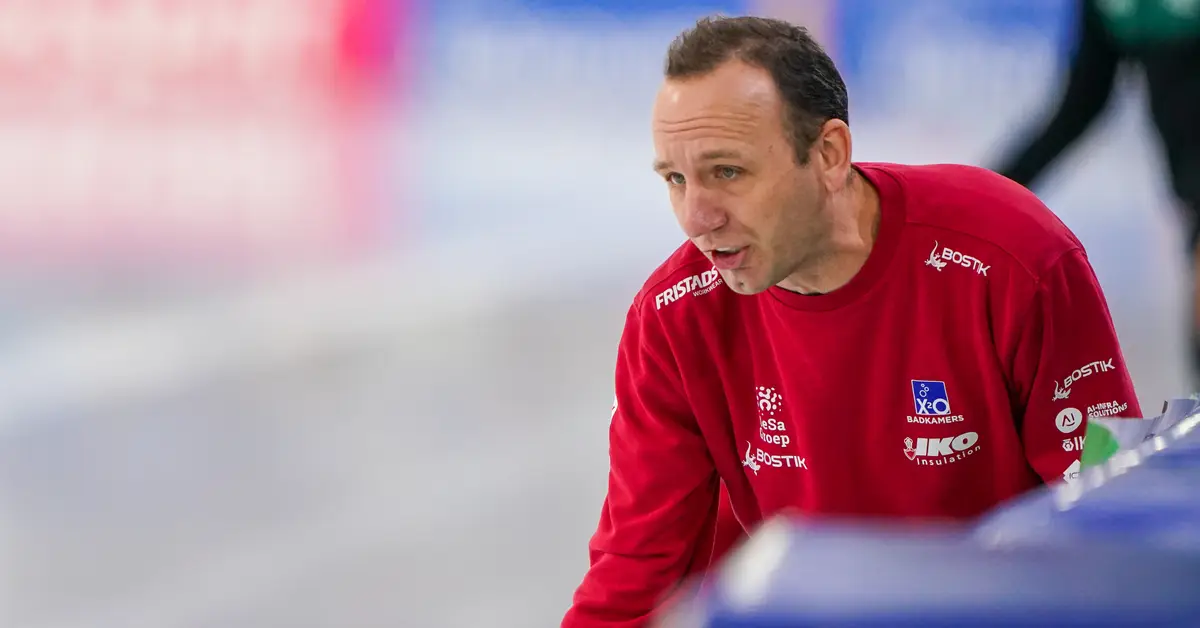
Coach Jillert Anema emphasized the effectiveness of his unconventional training methods following Marijke Groenewoud’s unexpected victory over favorite Joy Beune in the 3,000 meters at the Olympic Qualification Tournament (OKT) in Heerenveen.
NRC.nl, Netherlands.
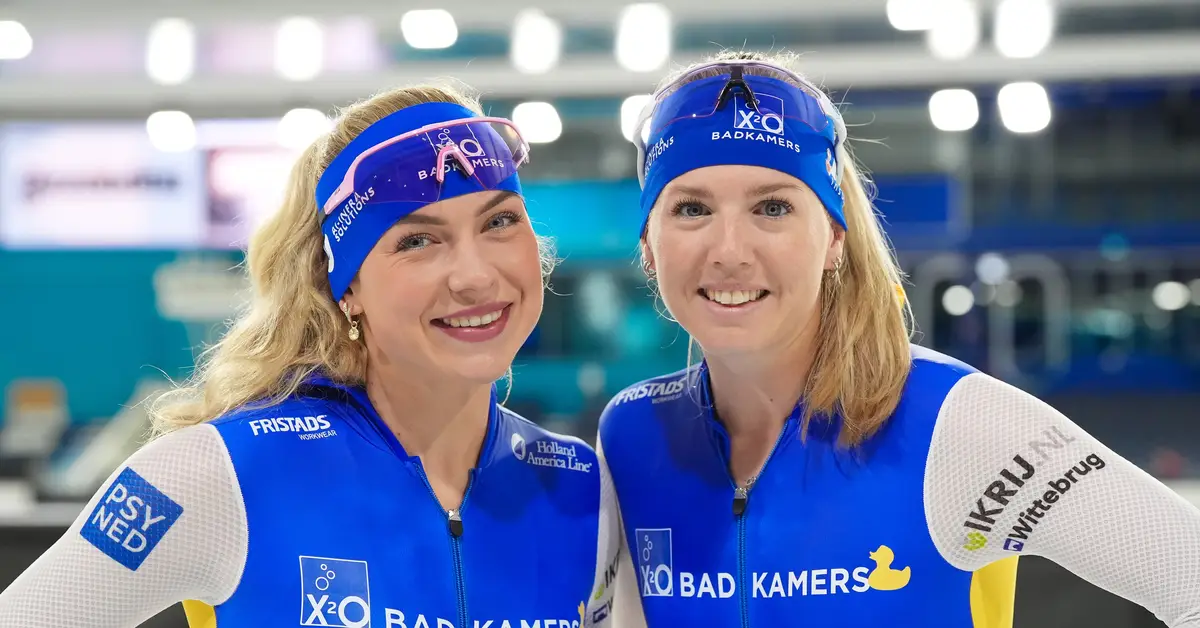
Marijke Groenewoud’s win over the dominant Joy Beune in the 3,000 meter race surprised many, especially considering Groenewoud’s inconsistent season performance prior to the OKT. Groenewoud recorded a personal best time of 03:54.74, beating Beune who set her best time of the season at 03:56.81 but still finished second. This result immediately positioned Groenewoud as a strong contender for a gold medal at the upcoming Olympic Games in Milan.
Jillert Anema, the 70-year-old coach behind the success of several top Dutch speed skaters including Irene Schouten’s three Olympic golds in Beijing, underscored that his team’s alternative preparation strategy was crucial. His team followed a markedly different training regimen than other squads, featuring prolonged cycling camps and a reduced focus on world cup competitions — which he referred to dismissively as “blotekontenwedstrijden” or “bare-bottom races.” In particular, some skaters like Merel Conijn skipped multiple world cup events to minimize travel and stress, aiming for an optimized peak performance at the OKT.
Anema acknowledged that while Groenewoud’s results in North American world cups were below expectations, the overall approach proved effective, demonstrated by his athletes taking three of the top four positions in the 3,000 meters. Despite praising Groenewoud’s achievement, Anema highlighted a technical aspect for improvement: her continued focus on competitors rather than her own lap times, a habit likely linked to her background in marathon skating. This critical stance reflects Anema’s philosophy of maintaining a grounded and realistic view of performance rather than succumbing to euphoria.
Joy Beune, visibly relieved after the race, admitted to severe nerves leading up to the competition, describing sleepless nights punctuated by discomfort. Although disappointed by the defeat, she prioritized securing an Olympic spot by finishing second and still plans to compete in additional distances. Meanwhile, Groenewoud’s breakthrough result, coupled with the coach’s confidence in his methods, reinforces the notion that the unconventional “blotekontenwedstrijden” approach may reshape preparation strategies within Dutch speed skating ahead of the Olympic Games.