Despite a decrease in the number of natural ice days, the Netherlands continues to uphold its strong tradition in speed skating, supported by a robust network of artificial ice rinks and sustained enthusiasm for the sport.
NOS, a Dutch news outlet, reports on the resilience of Dutch speed skating culture amid changing climatic conditions.
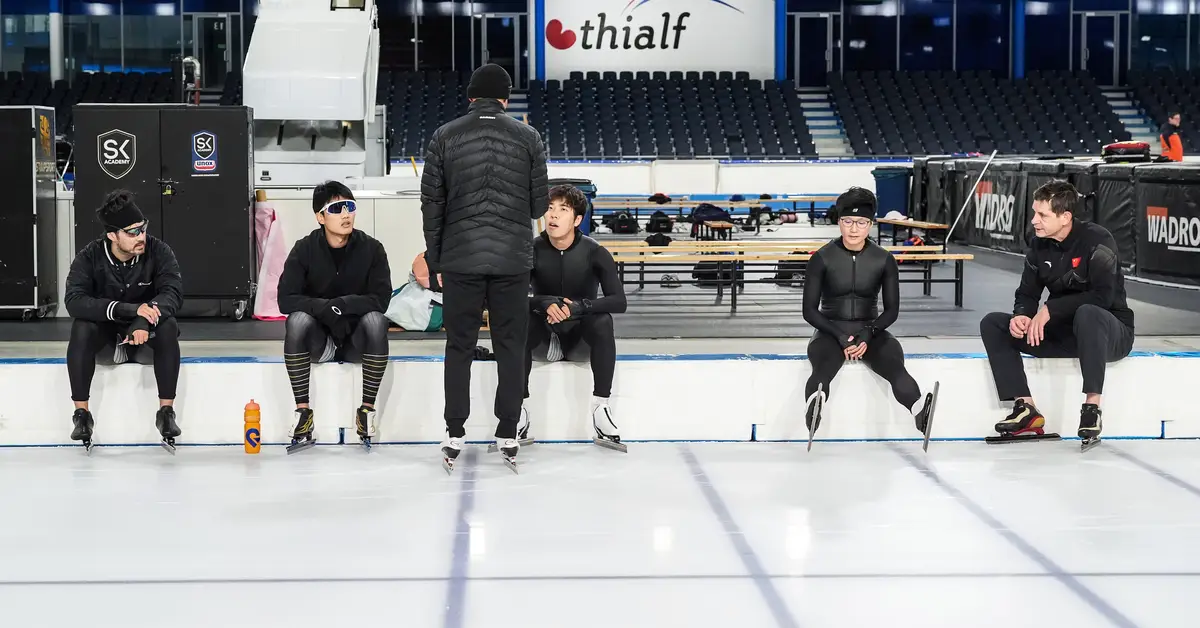
Over the recent holiday season, events such as the Olympic qualifying tournament at Thialf attracted large crowds both on the ice and in the stands, demonstrating the continued popularity of speed skating in the country. Veteran athletes remain competitive while emerging talents prepare to succeed them. Historian Marnix Koolhaas emphasizes that skating has been embedded in Dutch culture for centuries, tracing back to one of the earliest competitions held in 1466 in the Low Countries. Given the country’s flat landscape, skating emerged as a prime winter activity unlike skiing which requires mountains.
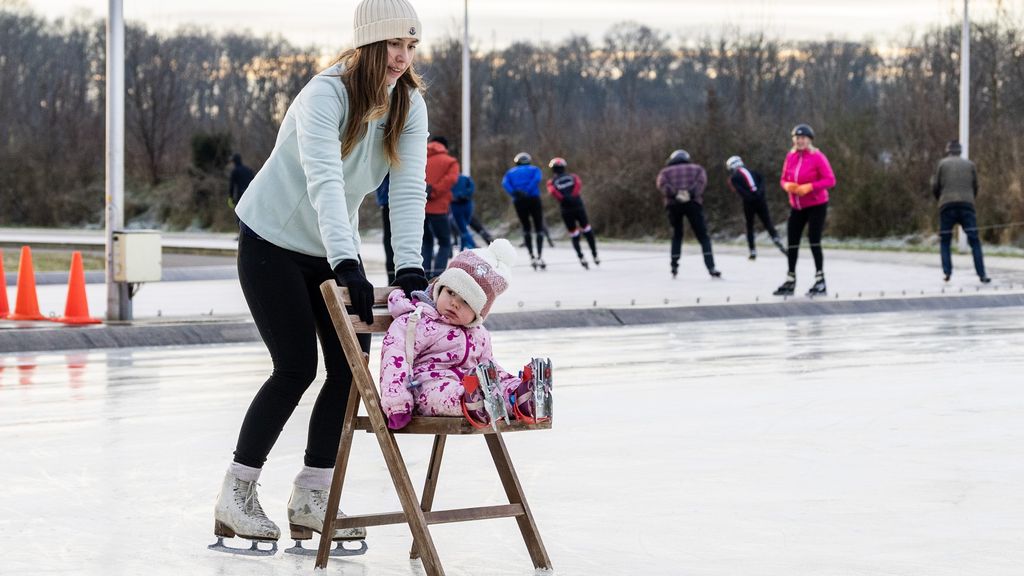
Koolhaas further explains that historically, skating was linked to survival, especially during harsh winters when frozen waterways required residents to have skates for daily necessities. Beyond its practical origins, natural ice skating developed into a festive cultural event that attracted not only locals but also visitors who noted the celebratory atmosphere that winter brought to the Netherlands.
However, the number of days with consistently frozen temperatures suitable for natural ice skating has been declining by approximately 1.5 days per decade since the 1960s. While the country once averaged around eleven such days annually, recent years have seen a sharp drop to an average of three, with some recent winters recording none at all.
Jurre Trouw of the Royal Dutch Skating Federation (KNSB) acknowledges that fewer natural ice opportunities reduce informal, low-barrier access especially for children. Despite this, the overall membership of the KNSB remains stable and the Netherlands continues to achieve success in international competitions. A key factor is the country’s investment in 22 artificial ice rinks, beginning with the opening of the first rink, Jaap Edenbaan in Amsterdam in 1961. This infrastructure has enabled reliable training conditions throughout the colder months, unlike the inconsistent and poor-quality natural ice previously available.
Koolhaas highlights how the arrival of artificial ice allowed Dutch skaters to train earlier and more consistently, contributing to an edge over competitors from countries like Norway, which had previously dominated due to their earlier access to suitable ice. The expansion of facilities, including Thialf in Heerenveen in 1987, further strengthened this advantage. Skating clubs have adapted by shifting to artificial rinks for their training and activities, solidifying the country’s position as a leading speed skating nation.
Coaches recognize the advantages of artificial ice, such as a flatter surface, safer environment, and better conditions for providing real-time feedback during training sessions, which can enhance skill development, particularly for young skaters. While natural ice retains a unique appeal and cultural significance, the modern infrastructure ensures that the sport remains accessible and competitive.
Trouw and other skating officials emphasize that maintaining enjoyment and confidence on the ice is fundamental to nurturing future talents. Although natural ice plays a crucial role in inspiring enthusiasm and introducing newcomers to the sport, the combination of tradition and modern facilities guarantees the continuation of Dutch success in speed skating despite climatic challenges.