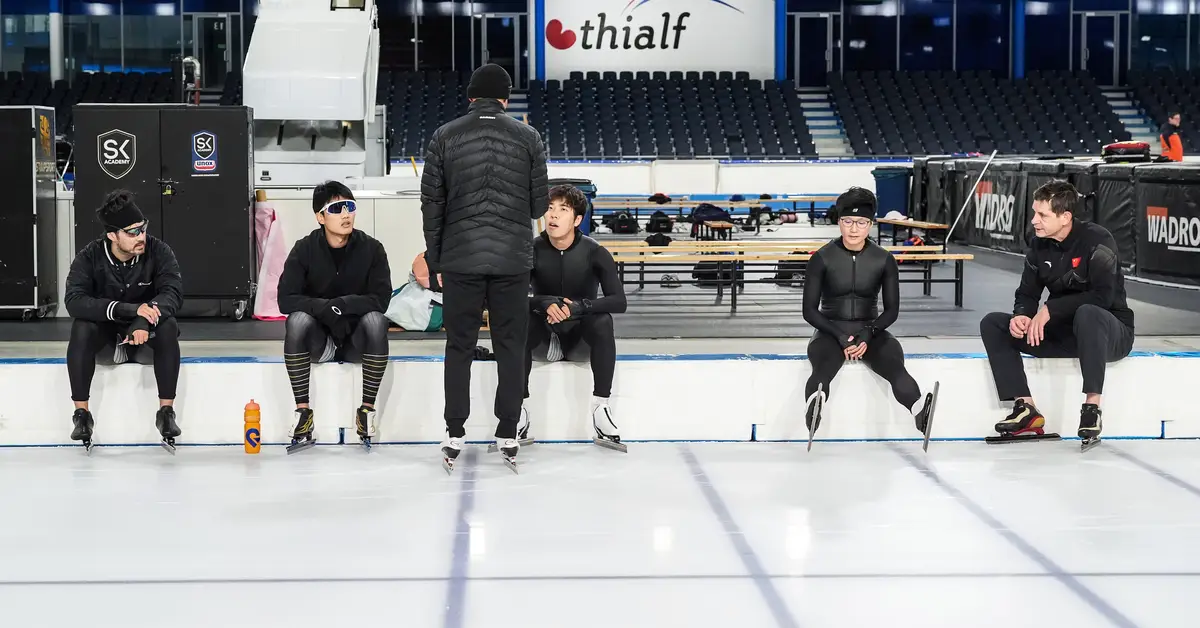
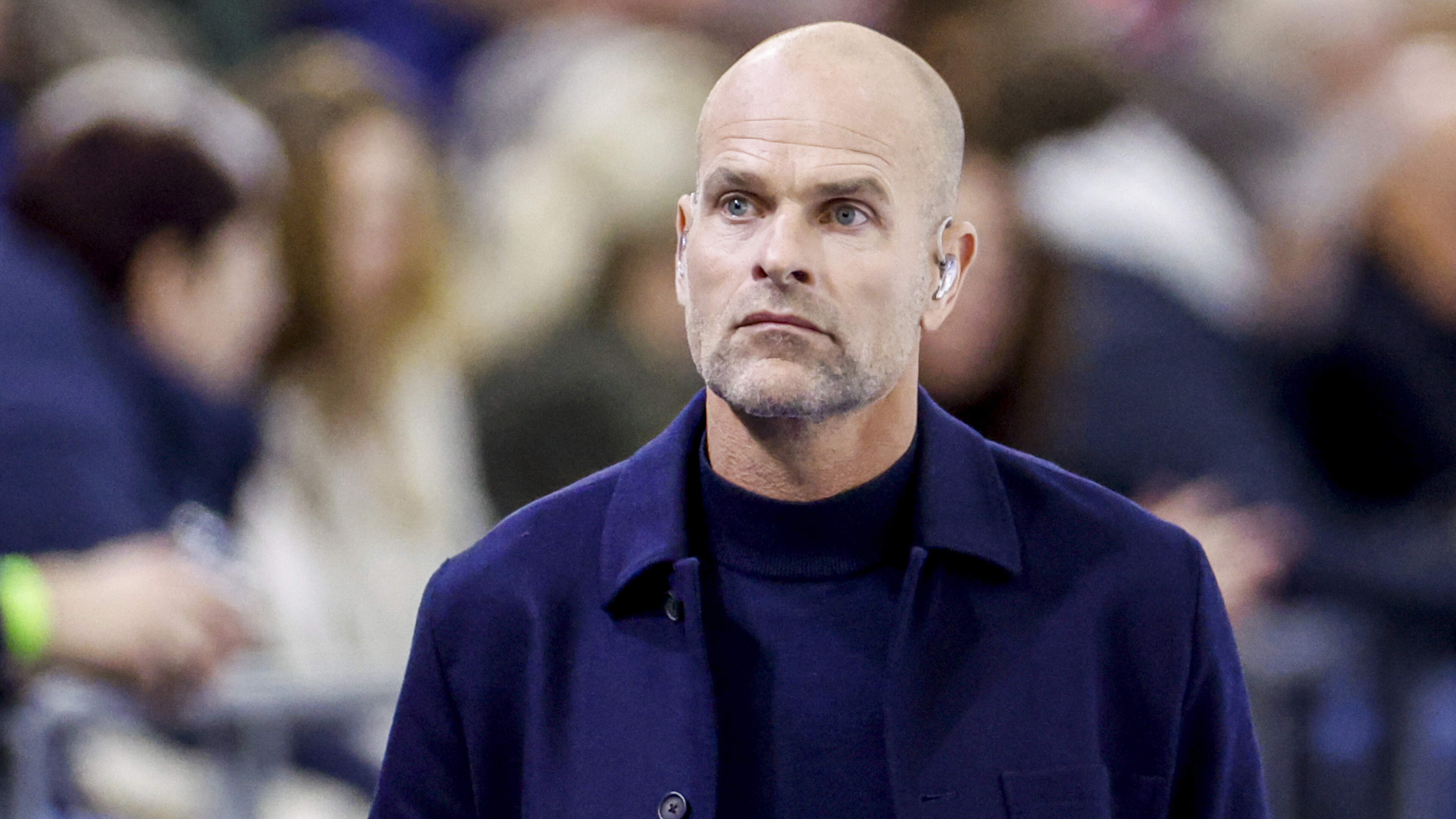
Mark Messer, a Canadian ice technician with extensive Olympic experience, is overseeing the creation of the first temporary indoor speed skating rink for the 2026 Milan-Cortina Winter Games.
CBC, Canada’s public broadcaster, reports on Messer’s role and the technical challenges faced in preparing the ice.
Speed skating ice requires unique conditions to ensure optimal performance: it must be cold, hard, clean, and extremely smooth. Messer, who is responsible for the Olympic Oval in Calgary—known for being one of the fastest speed skating tracks globally—has been applying his expertise since October 2025 at the new Speed Skating Stadium in Rho, near Milan. This preparation marks the first time speed skating gold medals will be contested on a temporary indoor rink, a departure from the traditionally permanent facilities used in previous Winter Games.
The process involves carefully layering water that is cooled to precise temperatures and maintaining specific ice thickness and purity levels to balance hardness and flexibility. Messer and his team use equipment modifications, such as attaching hoses to hockey sticks for even water distribution, to refine the ice surface. Maintaining a dirt- and frost-free environment is critical to minimize friction and preserve the skaters’ speed.
Previous Olympic experience has provided Messer insight into the advantages of indoor skating environments free from external weather disruptions. However, the temporary nature of the rink presents additional challenges, including ensuring the ice supports heavy resurfacing machines without shifting and managing temperature and humidity changes during events with thousands of spectators. A junior World Cup event in late November 2025 served as an initial test of the rink, providing valuable feedback for adjustments.
Speed skaters recognize the importance of consistent and fast ice for fairness and performance, and former Olympic gold medalist Enrico Fabris now serves as a deputy sports manager at the venue, emphasizing the aim for equitable conditions for all competitors. The rink’s readiness will be further assessed at the end of January 2026 during the first official Olympian training sessions, with the final fine-tuning expected to complete the project prior to competition.