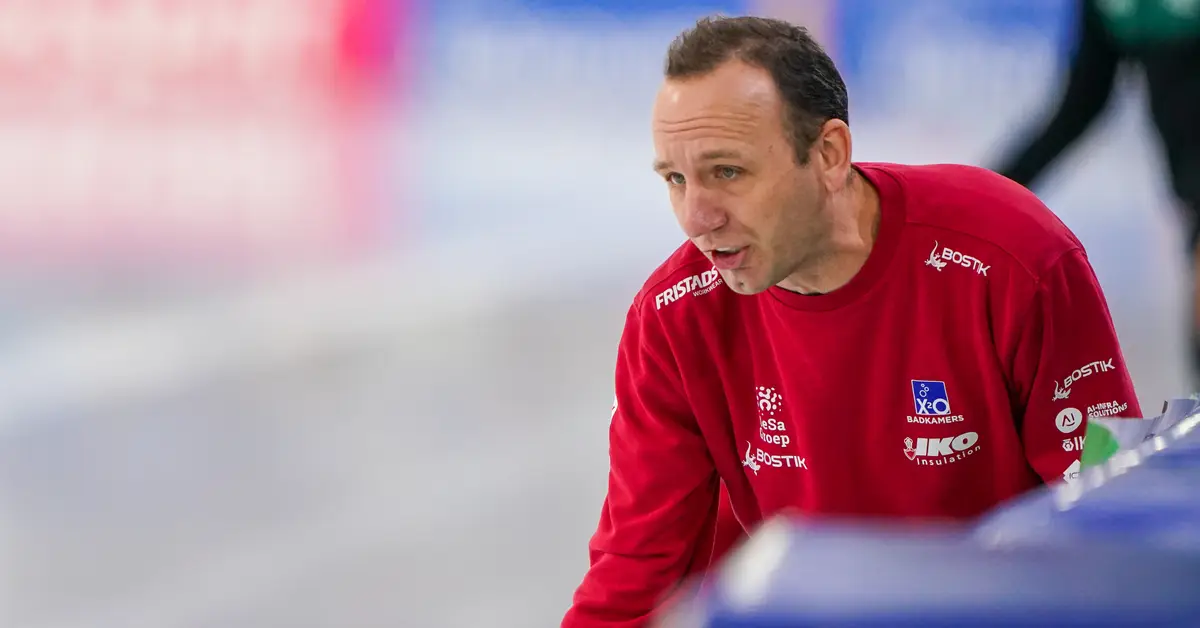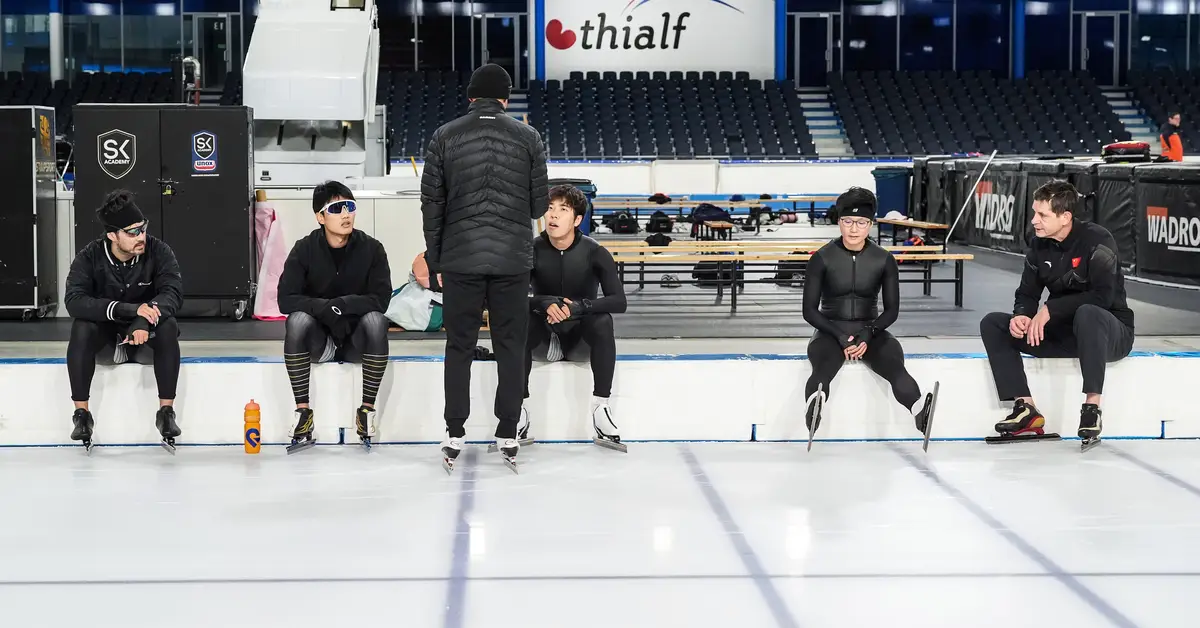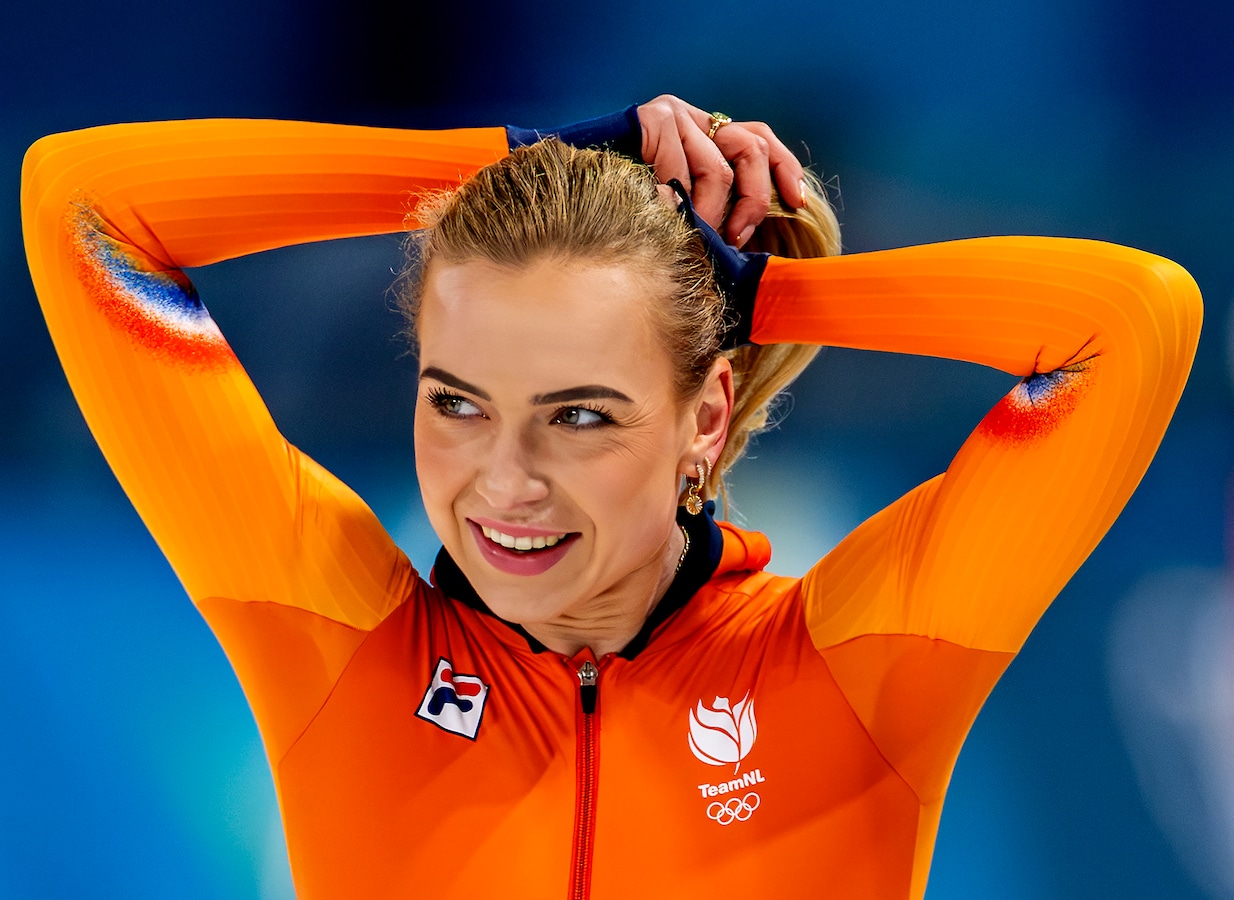
Joy Beune, a leading Dutch speed skater, must focus entirely on her 3000-meter race at the Milan 2026 Winter Olympics, after missing out on the 1500-meter event due to a near-fall at the Olympic qualification tournament.
AD, a Dutch news outlet, reports from Milan on this significant moment in Beune’s Olympic debut.
At 26 years old, Joy Beune has reached the Winter Olympics as a former top talent, now debuting alongside her partner, Kjeld Nuis. Known from Team IKO and supported passionately by her mother and the Dutch royalty, Beune steps onto the Olympic stage with broad national support. Despite her cheerful demeanor during preparations, the circumstances continue to weigh on her.
Beune is currently the reigning world champion in the 3000 meters as well as the allround world champion, making her fully capable in this event. However, her strongest race, the 1500 meters scheduled for the last Friday of the games, will not be part of her Olympic schedule. This change stems from a near-fall during the December Olympic qualification tournament, a moment that has been widely discussed and now significantly alters Beune’s Olympic plans and rhythm.
Previously seen as the prospective ‘ice princess’ for the Netherlands at Milan 2026—a title held by notable skaters like Irene Schouten and Ireen Wüst—Beune’s opportunity to compete across multiple distances has been reduced. The loss of the 1500 meters means she must perform at her absolute best on the opening day of competition in the 3000 meters. This race is effectively a do-or-die effort where she must succeed immediately.
According to Arjan Schouten, the outgoing 3000-meter champion, Beune would prefer to keep the 1500 meters in her program but now must channel all her energy into the 3000 meters against strong competitors like Canadian Isabelle Weidemann. Schouten has observed that Beune appears mentally strong and focused despite the setback, dedicating herself fully to this single race. She has found ways to divert her attention from the disappointment by engaging with social media and spending time with Nuis.
Yvonne van Gennip, the Dutch team manager and 1988 Olympic gold medalist, describes Beune’s position as a challenging one and acknowledges the emotional strain caused by missing an event. She notes that while Beune appears calm, the pressure remains high and reflects on her own Olympic experience to underline how difficult it can be to handle such changes. Van Gennip remains optimistic about Beune’s prospects but recognizes the strong competition, specifically mentioning Norway’s Ragne Wiklund, who recently posted faster times than Beune at Inzell.
In this tightly contested event, Beune faces opponents with more than one race opportunity, which gives them a safety net she does not have. Beune’s situation requires an immediate and peak performance, setting the tone for her Olympic debut and the potential to secure one or two gold medals—her maximum expected haul from these games. Her determination and national support will be critical as she competes in what many see as a high-stakes and pivotal race.