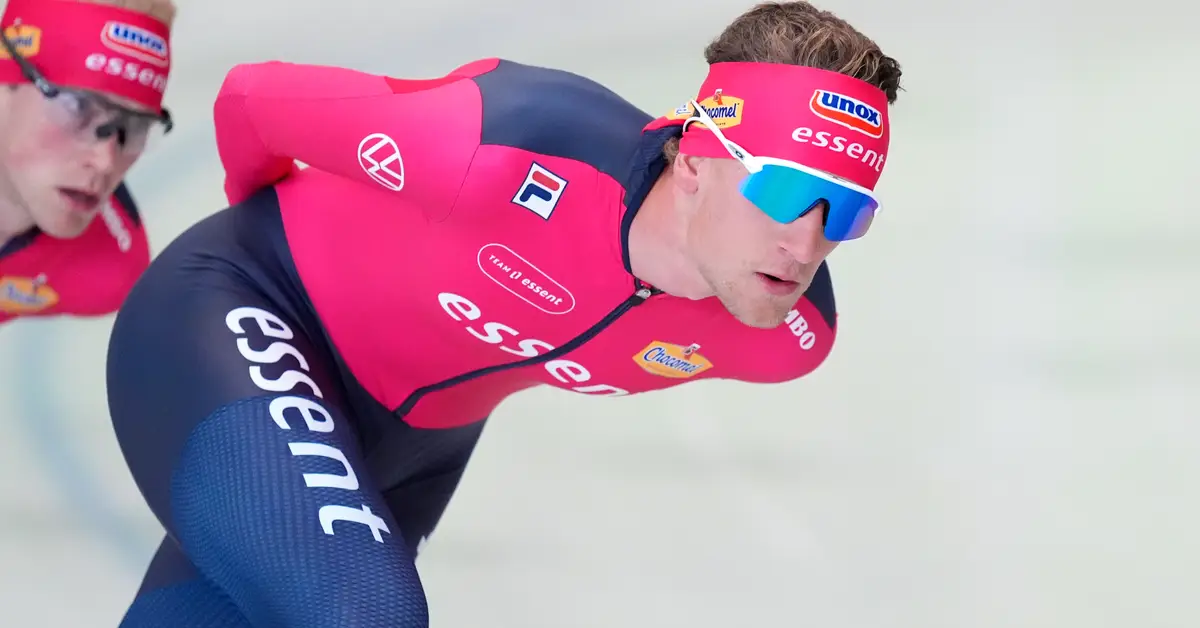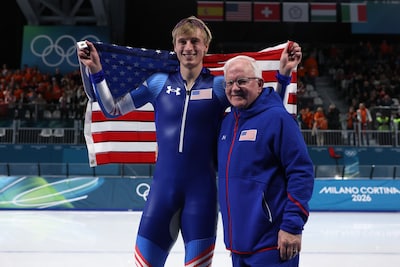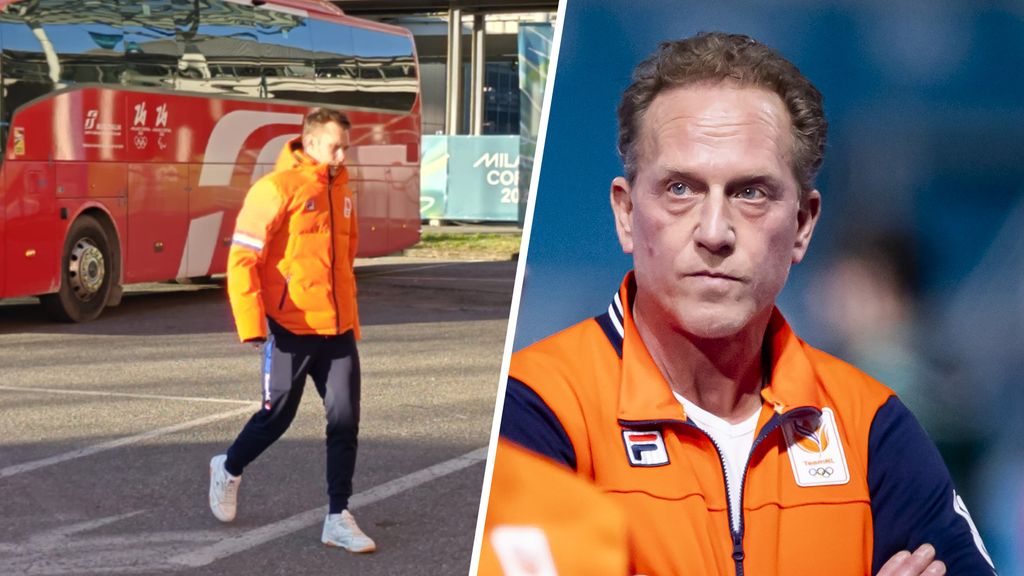
Marcel Bosker left the ice rink in Milan abruptly during the men’s team pursuit event at the Winter Olympics, leading to tension with coach Rintje Ritsma and raising questions about team dynamics.
NOS, a Dutch news outlet, reported on the incident and provided details from those involved.
During the afternoon event, Bosker became visibly upset and left the ice stadium by bike, later taking a bus to the Olympic village. This occurred shortly after team coach Rintje Ritsma announced that Bosker, who had been selected specifically for the team pursuit at the expense of another skater, Tim Prins, would not compete in the bronze medal race for the event. Bosker’s departure left the team without their designated reserve, despite the fact that the bronze medal race against China was imminent.
The situation prompted concern from team officials and journalists, who awaited Bosker’s return near the bus stop outside the ice rink. Despite efforts by coaches and support staff to locate him, Bosker remained unreachable until approximately 20 minutes after the bronze race concluded without a medal for the Dutch team. When he finally returned, Bosker was reluctant to discuss the matter in detail and characterized his earlier emotions as frustration over being excluded from the race lineup.
Bosker explained that he left to clear his mind and did not intend any disrespect. He expressed confusion about the coaching decision not to include him in the race, noting he was prepared to compete and contribute. Coach Ritsma acknowledged understanding Bosker’s disappointment but emphasized the importance of team unity and the fact that the decision was made with the team’s best interests in mind.
Although the incident raised questions about internal communication and team management, Ritsma stated his focus remains on fulfilling his coaching duties professionally to achieve strong results for the team. The disagreement highlights challenges that can arise in selecting athletes for critical Olympic events and managing expectations among team members.