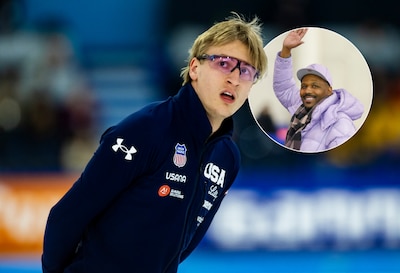
Jordan Stolz’s performance at the 2026 Winter Olympics underscores the difficulty of excelling in multiple speedskating events during a single Games.
The New York Times, a US-based news outlet, provides detailed coverage of Stolz’s achievements and challenges.
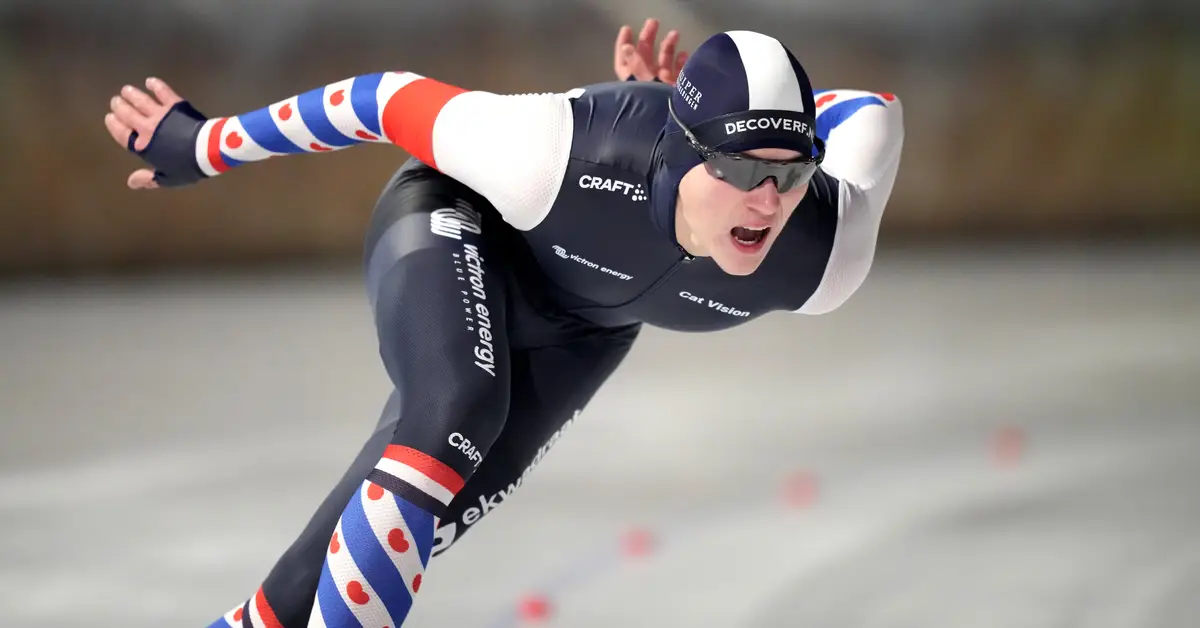
At the Milan Olympic Speed Skating Arena, American speedskater Jordan Stolz secured a silver medal in the 1500-meter event, adding to his earlier gold medals in the 500-meter and 1000-meter races. While Stolz is generally reserved in his demeanor, his reaction to finishing second indicated the mixed emotions that come with aiming for multiple victories at a single event. Stolz acknowledged the strength of China’s Ning Zhongyan, who set an Olympic record with a time of 1:41.98, surpassing Stolz’s own expectations and making this a particularly competitive race.
The speed of the ice was a significant factor during the event, with multiple athletes beating the previous Olympic record in quick succession, including Netherlands’ Joep Wennemars and Kjeld Nuis. Stolz, who was the favorite to win a third gold, faced challenges in matching the record pace from the start. He fell behind in the initial lap and despite his strong finish, was unable to close the gap to Ning’s record-setting performance.
Stolz’s ability to compete effectively in multiple events is notable given most elite skaters focus on one or two races. His upcoming participation in the mass start race further demonstrates his endurance and versatility. Experts and former champions alike recognize Stolz’s rare combination of speed and stamina, comparing his achievements in the sport to exceptional athletes in other disciplines.
Growing up, Stolz benefited from a disciplined and self-driven training environment supported by his family’s dedication. His focus on continuous improvement and scientific understanding of the sport has been key to his success. Despite the demanding Olympic schedule and the physical toll of multiple races, Stolz maintains a commitment to recovery and analysis to optimize future performance.
The upcoming mass start event, a more chaotic and strategic race involving 16 skaters over 16 laps, represents Stolz’s final chance at a medal in Milan. While he acknowledges the difficulty of competing across several distances, his past performances signal a strong potential for success. Stolz’s silver medal in the 1500-meter race remains a significant achievement within an already remarkable Olympic campaign.