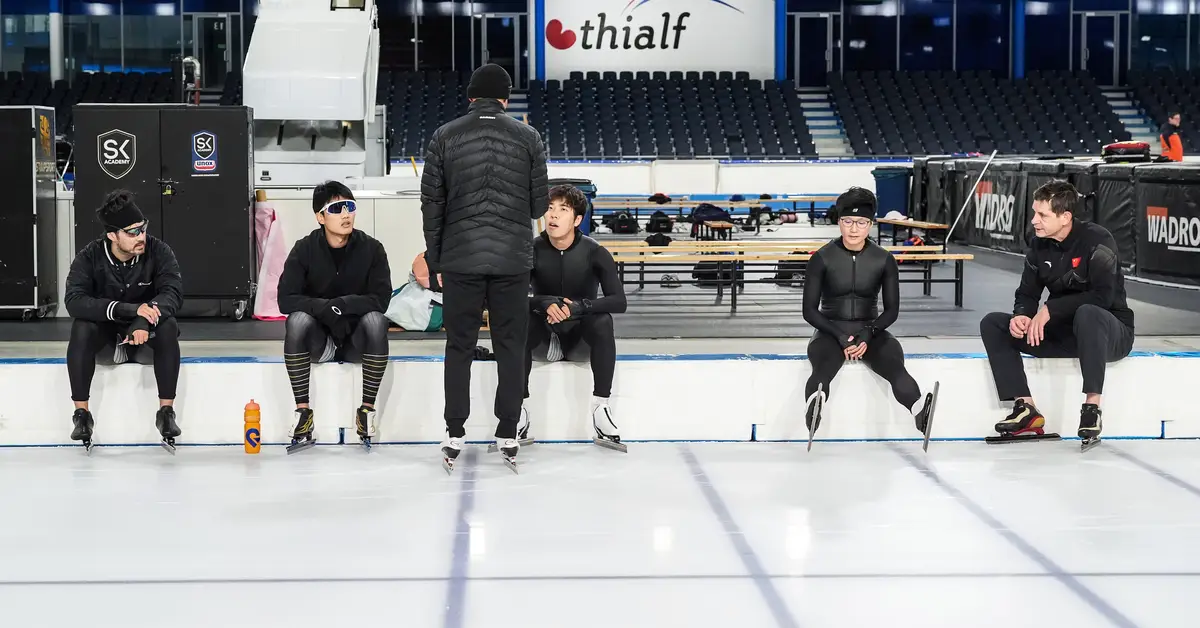
A new international speed skating team has been formed with athletes from China, Japan, Estonia, Belgium, and the Netherlands, supported by multiple national skating federations and financial backing from China and Japan.
According to schaatsen.nl, the team consists of six Chinese skaters, three Japanese, one Estonian, two Belgians, and one Dutch athlete. The formation required coordinated efforts among different skating federations and involved extensive discussions to secure necessary funding. The Chinese and Japanese federations promised financial support, the Estonian skating federation responded positively, and the Dutch technical director Hessel Evertse aimed to secure resources for the Belgian skaters.
Johan de Wit, who participated in nearly all the meetings, recalls the lengthy negotiation process. He notes that although everyone was enthusiastic and eager to contribute, completing the arrangements took considerable time. Currently, all involved parties ensure that the athletes will receive proper compensation. De Wit himself will serve as a national coach for the Chinese skaters, with his salary covered by the Chinese skating federation.
The team’s structure is now in place, including three coaches, physiotherapists, and supporting staff. Ongoing logistical issues remain, such as scheduling, nutrition, and access to sport psychology services. A notable challenge involves adhering to the European residency regulations; Chinese and Japanese skaters are permitted to stay in the Netherlands for a maximum of 90 days within a 180-day period due to visa rules. While distance coaching is possible through specially developed apps, some on-ice training in the Netherlands remains necessary for the athletes’ preparation.
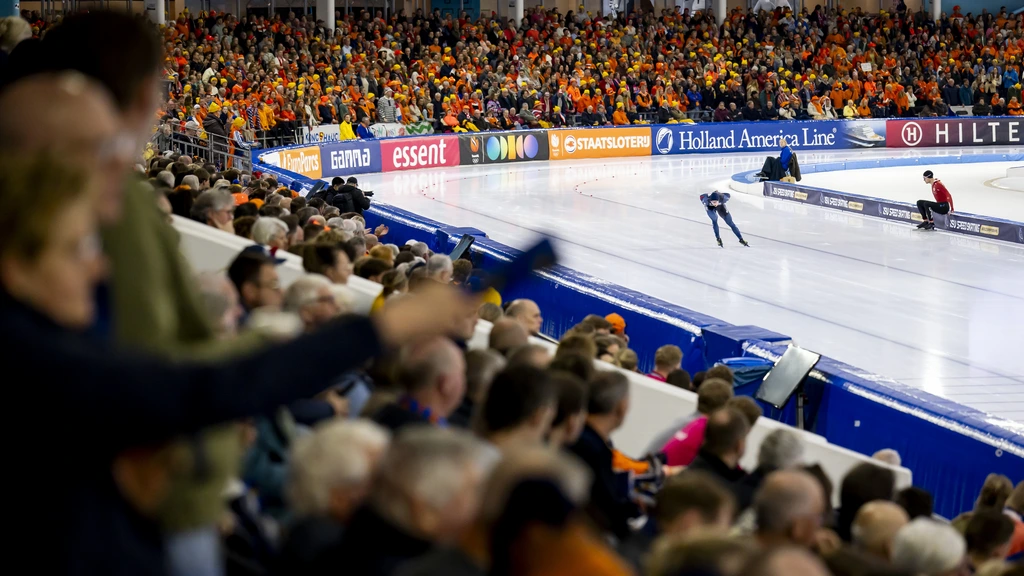
Access to ice time at Thialf, a major skating venue, is another important factor. Historically, the best training times have been reserved for Dutch commercial teams, leaving foreign teams early morning slots or less favorable times. Thomas Krol expects this arrangement to continue, although Johan de Wit advocates for more flexible access, including afternoon training blocks. If adequate times are not available, the team is prepared to train in other locations such as Leeuwarden. De Wit expresses confidence that overcoming these challenges will contribute to the team’s future success.