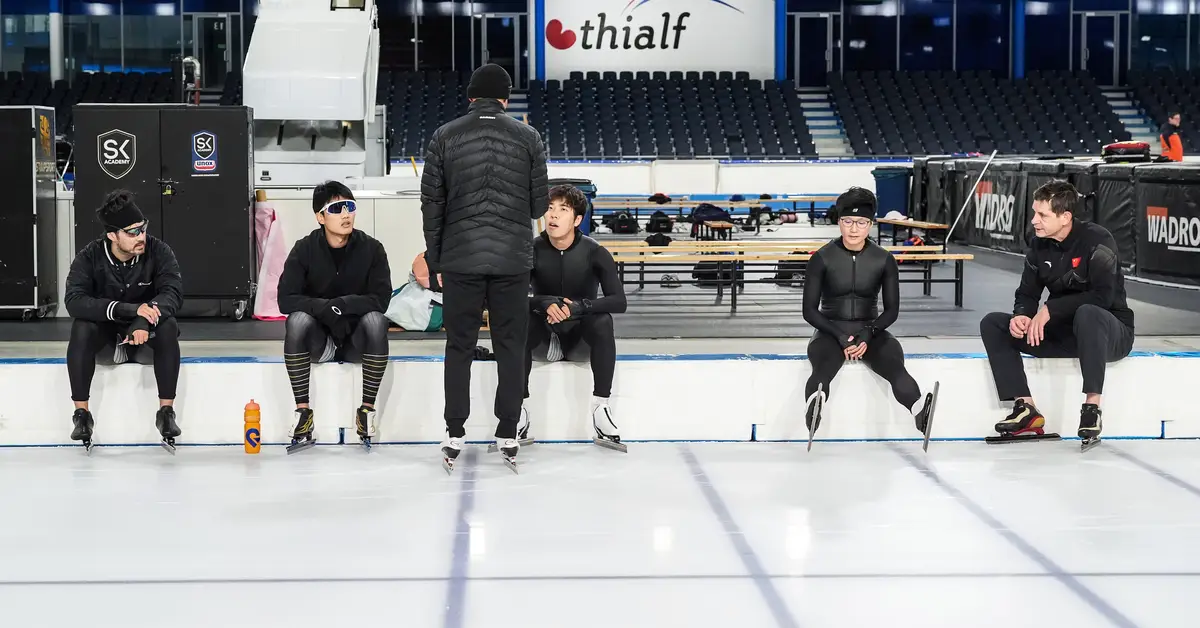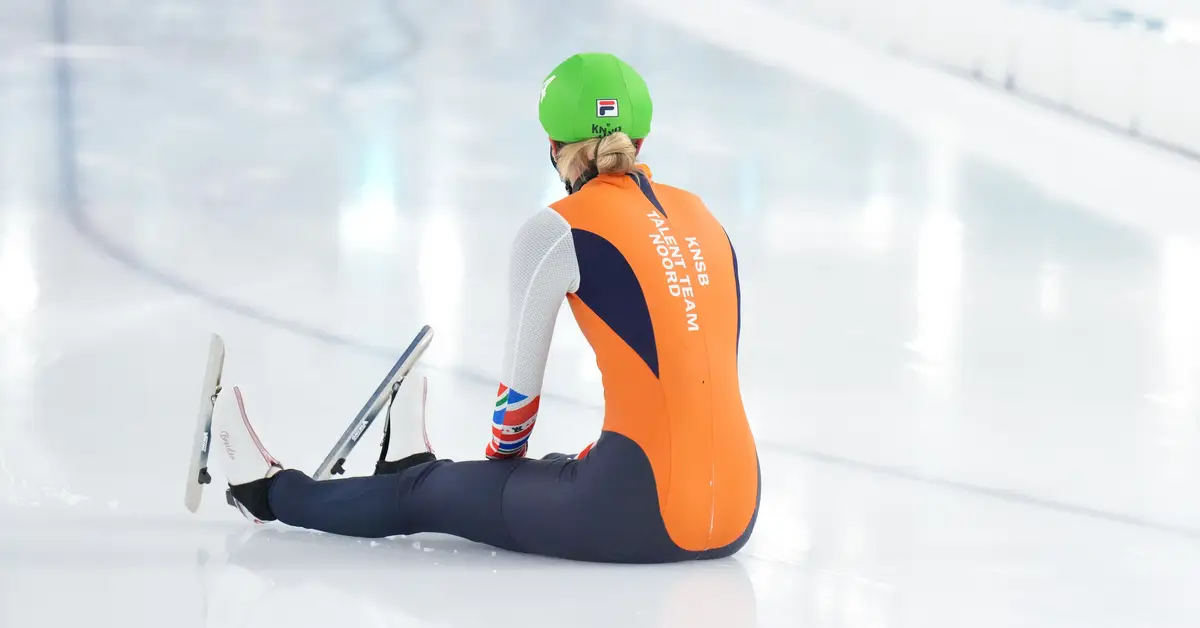
Several athletes have expressed concerns about the safety of mass start speed skating, highlighting differences from inline skating on which many rules are based.
Schaatsen.nl, a Dutch news outlet, reports on the ongoing debate within the skating community regarding safety in mass start events on frozen ice surfaces.
Many of the rules for mass start speed skating are adapted from inline skating competitions, where elimination races have been held for years. However, some inline skaters who have transitioned to ice skating question the safety of conducting these races on frozen water. Bart Swings, a multiple European champion in elimination races on inline skates and the 2022 Olympic mass start champion, acknowledges the difficulty in assessing the risks. He explains that inline skates offer greater agility, allowing easier changes in direction and jumps if necessary. In contrast, ice skates limit such movements.
Swings elaborates that, unlike inline races involving around forty participants on a narrow four-meter track, mass start speed skating features about twenty skaters spread across three lanes. He suggests that the event’s safety will largely depend on the conduct of the athletes and the decisions of the officials. While he does not anticipate widespread crashes, Swings expects some falls resulting from skaters’ blades accidentally hitting each other.
Stijn van de Bunt, an active inline skater in the junior category and assistant to Jorrit Bergsma during the Olympic mass start final, expressed concerns about physical contact during the race, especially pushing and pulling in the pack’s rear. Van de Bunt favors the points race format instead, which he describes as both more enjoyable and safer. According to him, this format encourages the competitive action to occur at the front of the pack, reducing risky situations at the back. The points race maintains a high, consistent pace with frequent breakaways, making for a more strategic contest.