Norwegian speed skating champion Peder Kongshaug has expressed concern over the declining popularity of long-track speed skating outside the Netherlands, highlighting a global crisis in the sport that remains unnoticed by Dutch fans.
Trouw, a Dutch news outlet, reported on Kongshaug’s views in an interview published on December 3, 2025.
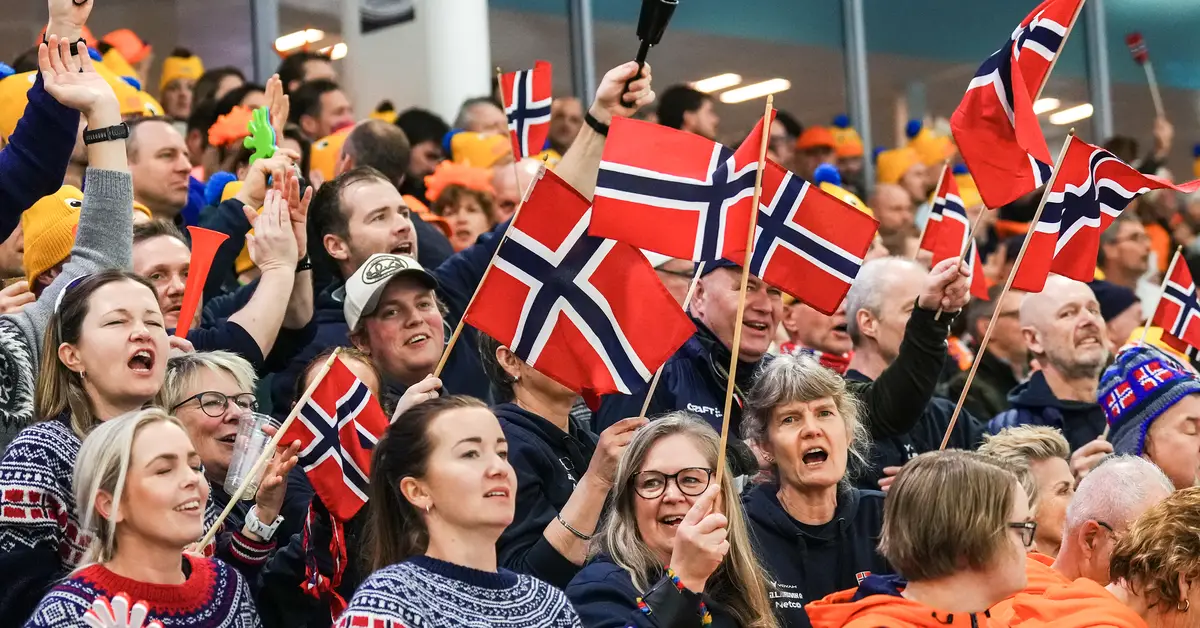
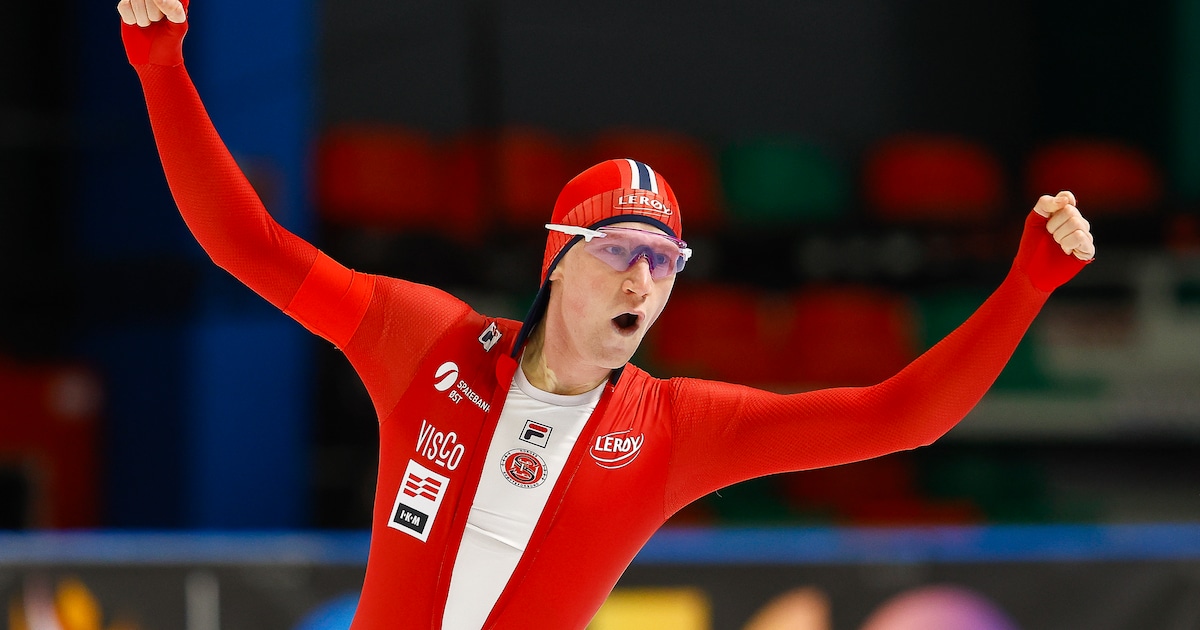
Kongshaug, who secured second place in the 1500 meters at a recent World Cup event in Poland, praised the vibrant atmosphere at Thialf in the Netherlands, describing it as a ‘crazy house’ with enthusiastic crowds and spirited traditions. However, he contrasted this with other international venues such as Salt Lake City, Nagano, Beijing, Poland, Calgary, and Hamar, where he observed sparse attendance and minimal local interest. He emphasized that the sport is facing a significant problem globally, one that seems largely invisible to the Dutch.
Reflecting on the sport’s history, Kongshaug recounted the former glory of Norwegian speed skating, sharing a personal anecdote about how his grandmother and thousands of others would gather to greet legendary skater Knut Johannesen during his Olympic successes in the 1960s. Despite this deep heritage, the current state shows diminished public engagement, with fewer participants tied partly to the decline in natural ice skating opportunities and the limited appeal of indoor arenas.
Kongshaug, who began skating in his teenage years after brief pursuits in football and ski jumping, credits the discipline for providing him strength following the death of his father in 2015. His commitment to the sport reflects a wider concern about its future. He criticized the International Skating Union (ISU) for its management, including its choice of expensive conference locations and lack of online voting options, which he argued waste resources better allocated to athletes.
He also highlighted financial disparities within the sport, pointing out that ISU staff salaries have increased significantly over the years while prize money for skaters remains largely unchanged, with winners receiving modest amounts. This situation, Kongshaug said, is demoralizing and calls for greater support of athletes both financially and in terms of priority within the organization.
A further issue identified is the broadcasting and organization of events. Outside the Netherlands, long-track speed skating struggles to secure public television coverage, especially in key countries like Norway. Kongshaug criticized the current approach of selling media rights via intermediaries and suggested the ISU should consider paying broadcasters to air competitions to increase accessibility and visibility.
The complexity of the World Cup circuit was also addressed. Kongshaug believes the competition calendar has become too large and extended, with too many races and competitors, making it difficult for organizers and broadcasters. He advocates for smaller, more focused events and adjustments to scheduling to rekindle excitement and accessibility in the sport.
While acknowledging that the current structure works well for Dutch skaters due to strong domestic support, Kongshaug stressed the struggles faced by athletes from countries relying on government funding, such as Italy, China, France, and Poland. He called for radical changes to avoid further decline, even if they require sacrifices, including potentially reducing his own participation.
Douwe de Vries, chair of the ISU Athletes’ Commission, welcomed Kongshaug’s outspoken stance. De Vries noted that many of his suggestions have been considered, though structural changes require time, especially as the ISU has been undergoing internal reforms to enable future adaptations. De Vries expressed interest in involving Kongshaug in upcoming discussions aimed at shaping the sport’s direction over the next four years.
Peder Kongshaug’s interview offers a candid assessment of the challenges facing long-track speed skating globally and underscores the need for innovation to ensure the sport’s sustainability beyond its Dutch stronghold.