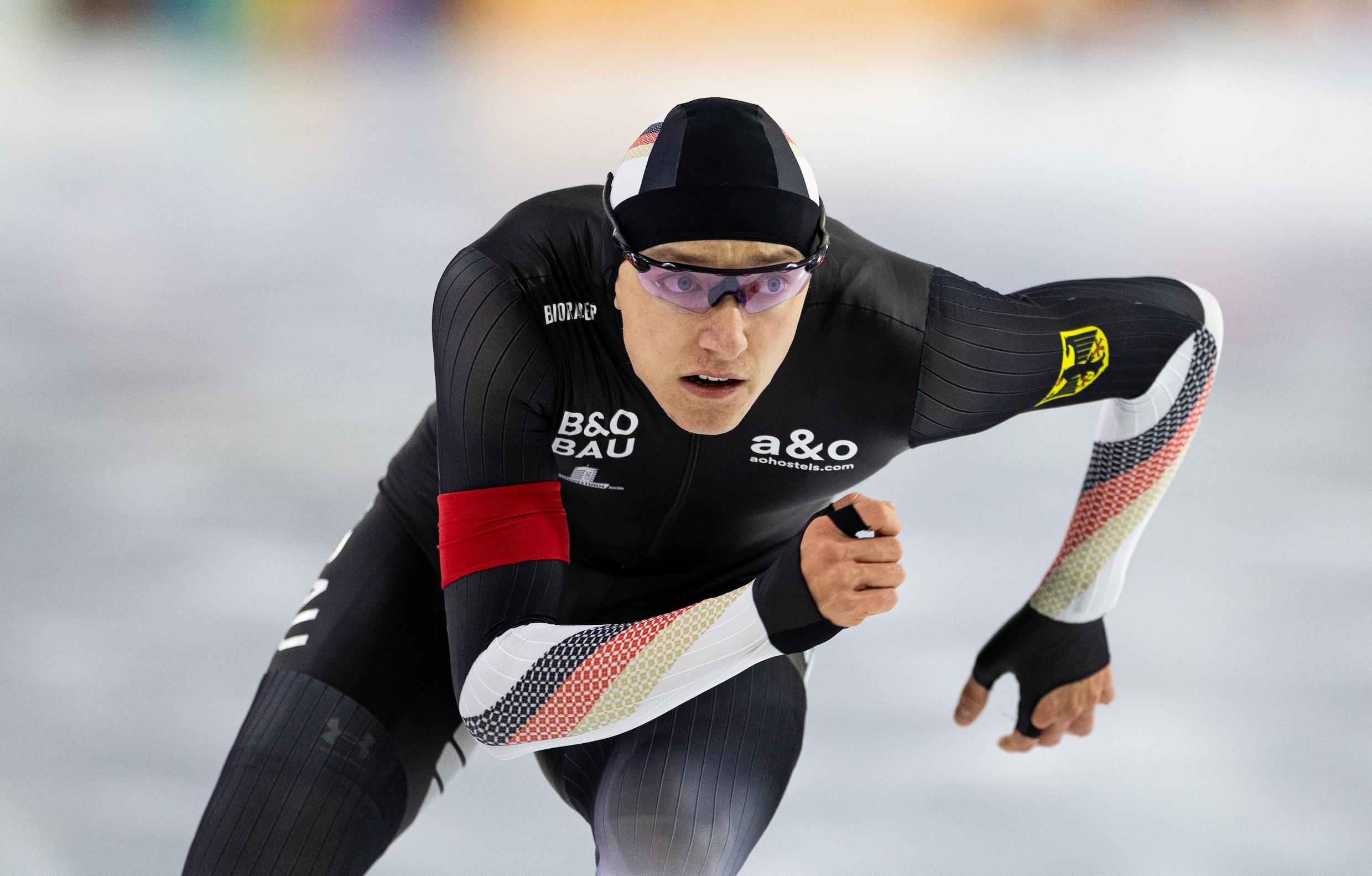
Finn Sonnekalb, an 18-year-old German speed skater, is emerging as a leading figure in the resurgence of German speed skating, a sport that has experienced a significant decline in recent decades.
Volkskrant, Netherlands
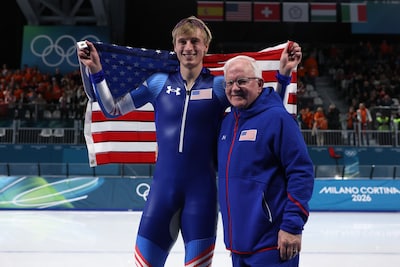
Once one of the leading nations in speed skating, Germany’s prominence in the sport has waned, with champions such as Claudia Pechstein and Gunda Niemann no longer competitively active. This season, Finn Sonnekalb has demonstrated remarkable potential: he has already stood on the World Cup podium thrice across the 1,000 and 1,500 meter events. Despite the lack of a direct German role model from recent years, Sonnekalb is motivated by international figures like American skater Jordan Stolz, who also rose to prominence as a teenager.
The German speed skating tradition boasts 24 Olympic titles since 1960, but none have been won since the women’s team pursuit secured gold at the 2010 Vancouver Games, a result that was nearly overshadowed by a dramatic fall by Anni Friesinger. Sonnekalb, born in 2007, was too young to witness these moments firsthand. His entry into the sport was somewhat serendipitous; originally intended for athletics, his connection to skating began after a chance encounter at the Gunda Niemann-Stirnemann ice rink in Erfurt.
Following the Vancouver Olympics, German speed skating experienced a period of decline. While athletes like Jenny Wolf and Stephanie Beckert achieved some success at World Championships, the sport struggled to produce new stars, with some former champions like Pechstein extending their careers well into later years before retiring. The last German to secure a podium spot on the global stage in distance races was Patrick Beckert, who earned bronze medals at the World Single Distances Championships between 2015 and 2020.
The decline contrasts with Germany’s historically strong performances, particularly during the era of East Germany’s state-supported sports program, which produced numerous Olympic champions. Post-reunification, infrastructure in cities such as Erfurt and Berlin supported competitive success for a time, with leading athletes emerging from these regions. However, the German skating landscape began to shift, with greater emphasis now placed on modern training methods that replace solely endurance-based routines with varied, scientifically guided programs.
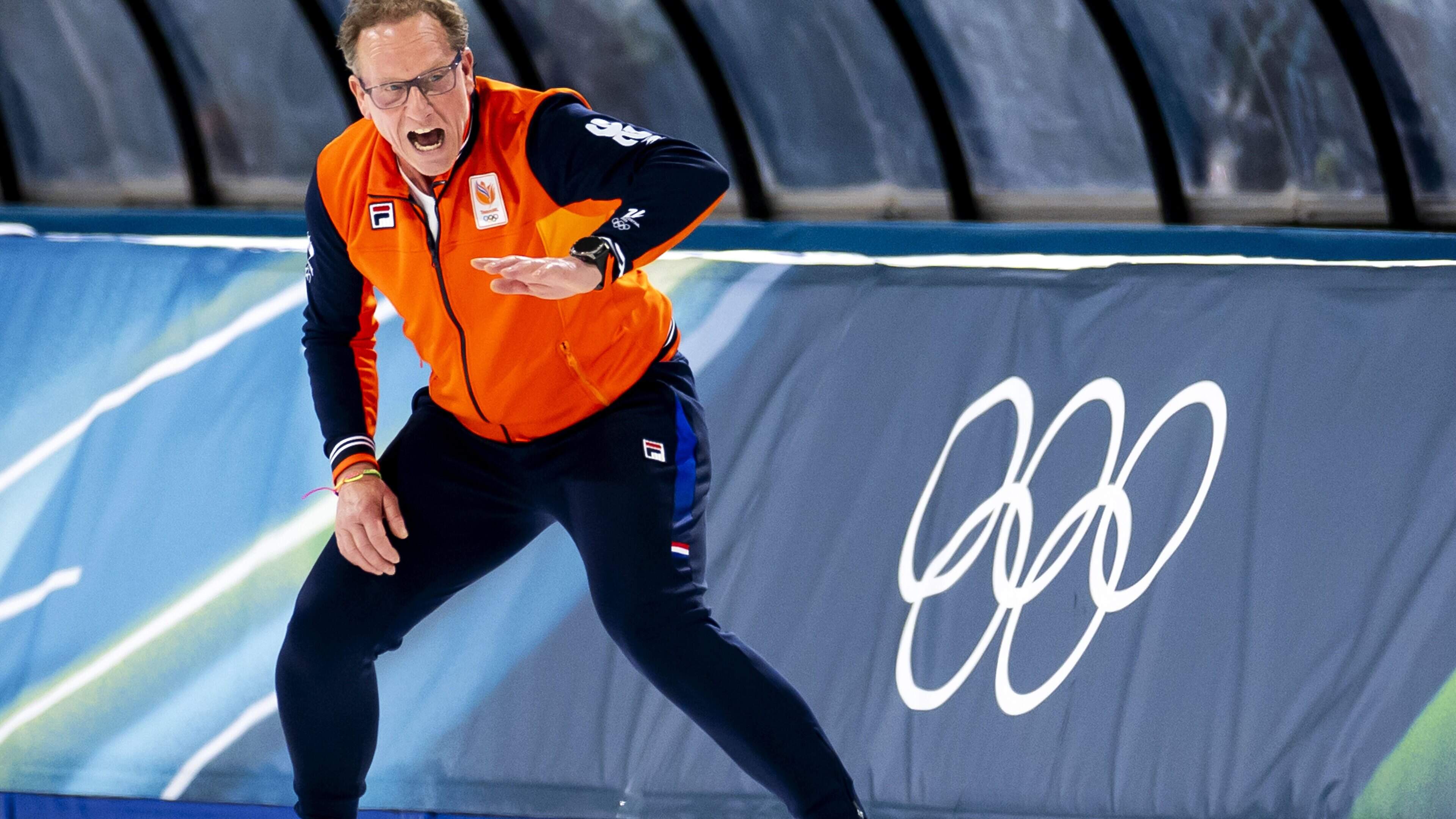
Foreign coaches have contributed to this transformation, including Dutch coach Aart van der Wulp and French coach Alexis Contin, who oversee different segments of the national team. Sonnekalb trains in Erfurt under the guidance of Harald Hanisch. Along with Sonnekalb, other athletes such as Felix Maly, Fridtjof Petzold, and Sophie Warmuth have shown progress, with team performances in pursuit events earning qualification for the upcoming Winter Olympics in Milan.
The German Ice Skating Association (DESG) has broadened its approach by involving athletes from inline skating disciplines, such as Felix Rijhnen and Josie Hofmann, to inject fresh momentum. This and a focus on team dynamics have been seen as factors in improving individual performances. Despite budget constraints and a reduced influx of sponsorship following years of disappointing results, the team fosters a positive and supportive environment, where athletes are motivated to invest personally in their training, sometimes organizing and financing their own camps.
Coaches emphasize that cultural shifts and patience are crucial to the current revival. While Sonnekalb’s exceptional talent is considered rare, possibly occurring once every few decades, he symbolizes the new possibilities for German speed skating on the international stage. Sonnekalb himself remains modest about his role, expressing optimism about the future of German skaters progressing to senior levels and regarding himself as a small inspiration for younger athletes.