Lotte van Beek, retired Dutch speed skater and Olympic medalist, has embraced a new chapter in her life by working as a ski instructor in Austria, where she values her sporting memories more than the medals themselves.
AD.nl, Netherlands
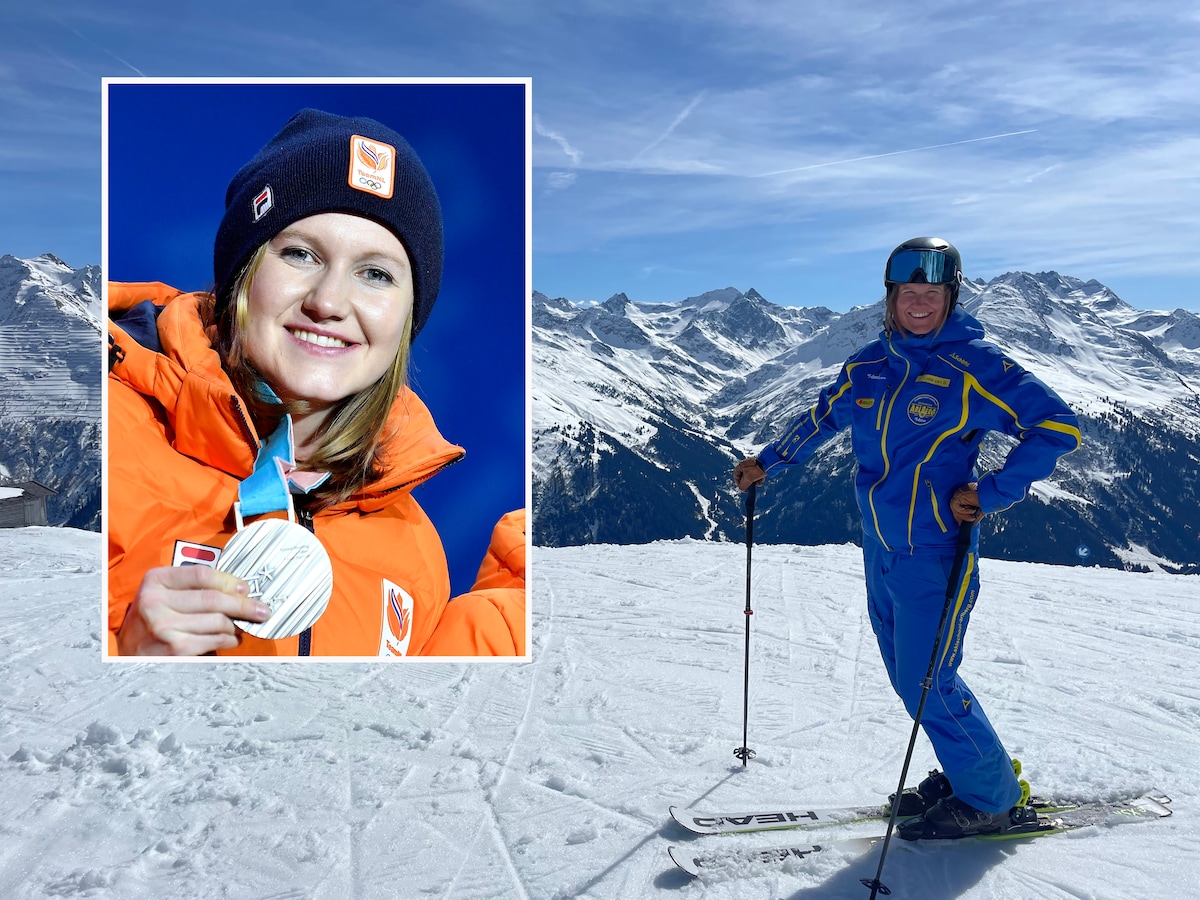
At 34 years old, Lotte van Beek has transitioned from competitive ice speed skating to spending her days teaching skiing in the alpine resort town of Sankt Anton am Arlberg. Speaking through a video call, she described the enjoyment she finds in her new role, appreciating the snowy surroundings and the opportunity to be outdoors in the mountains. Though she’s occasionally recognized as a former Olympian, she prefers that her skiing students focus on the lessons rather than her athletic achievements.
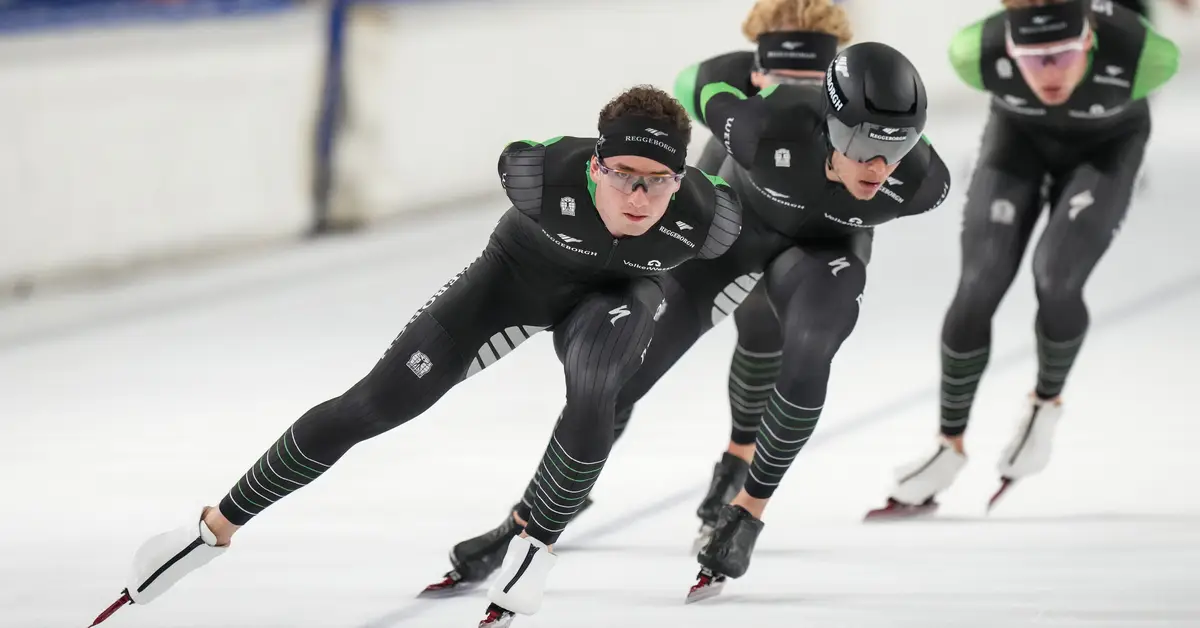
Van Beek’s sports career includes an impressive collection of Olympic medals, including gold and bronze from the 2014 Sochi Games and silver from Pyeongchang in 2018. Unique among Dutch female skaters, she has finished across the spectrum from fifth place up to the podium in multiple events, a feat unmatched by contemporaries such as Ireen Wüst, Marianne Timmer, and Irene Schouten. Yet, despite these successes, Van Beek keeps her medals stored away, valuing the experiences and the journey toward these accomplishments more than the medals themselves.
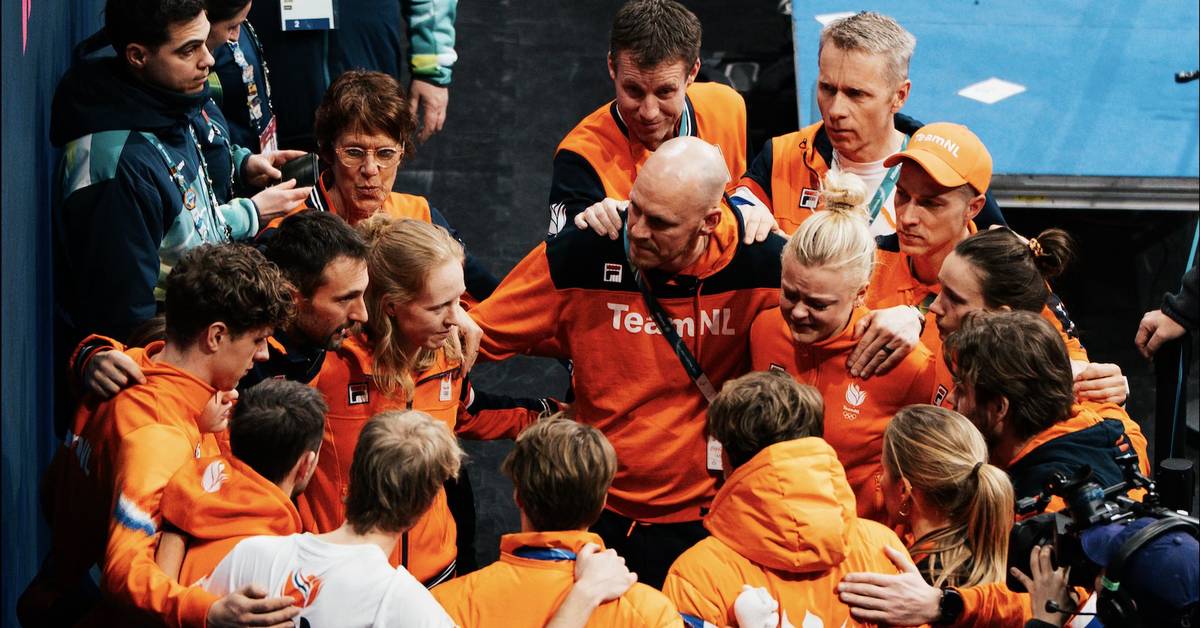
She highlighted how the medals serve as reminders of hard work and motivation rather than treasures to display. Van Beek reflected that discussions with former teammates rarely focus on race times or results, instead revolving around memorable or unexpected moments off the ice. She expressed pride in her achievements but found greater meaning in the processes and challenges she overcame along the way.
The gold medal she earned in the team pursuit in Sochi was especially significant due to the prestige of Olympic gold, while the silver from Pyeongchang carried personal significance as a form of redemption following a difficult period with her former team. Her individual bronze medal at Sochi remains a special highlight for her because it was her first and a personal victory. She also noted the interesting composition of the gold medal, primarily made of silver due to the softness and cost of pure gold.
Van Beek makes occasional exceptions to showing her medals, such as when her former coach uses them in educational talks to inspire youth. However, she does not display them prominently or boast about them, placing more importance on the memories and lessons represented by her athletic achievements. When asked if she would prefer a bouquet rather than medals, she humorously declined, emphasizing that the medals are irreplaceable proof of her accomplishments.