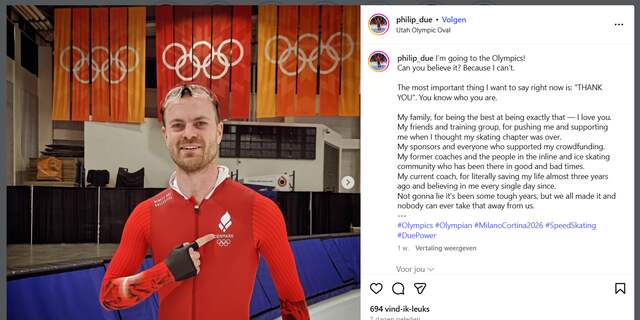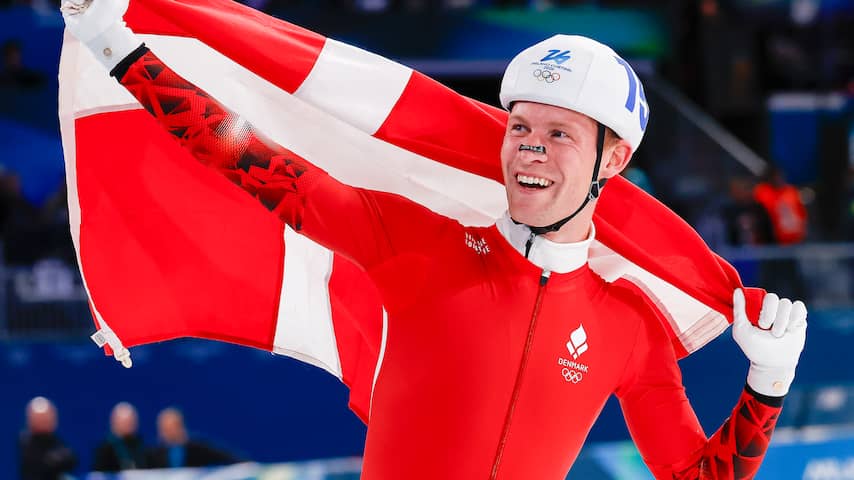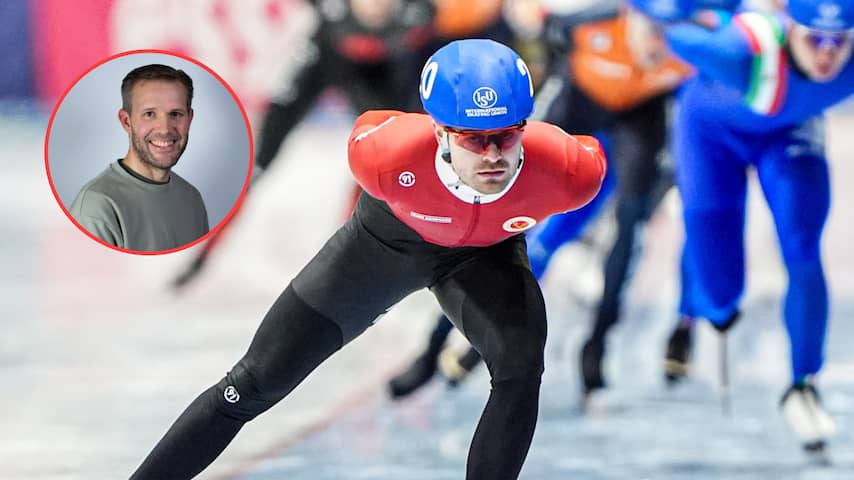
Danish speed skater Philip Due Schmidt expressed his disappointment after being excluded from the 2026 Winter Olympics despite meeting the sporting qualifications, highlighting the strict and unforgiving nature of the Olympic selection rules.
According to nu.nl published in the Netherlands, Schmidt’s story illustrates the harsh realities faced by athletes competing for limited Olympic spots, especially following significant personal challenges.
The 28-year-old speed skater, known for his performance in mass start events, suffered a severe epileptic seizure in 2023 shortly before the World Championships in Heerenveen. Found after nearly twenty hours and subsequently spending two days in a coma, there were serious concerns over his recovery and potential brain injury. Despite these setbacks, Schmidt made a remarkable return to the ice by October 2023, though he was still regaining his previous form.
Having narrowly missed qualification for the 2022 Beijing Olympics, Schmidt set his sights on the Milan 2026 Games. A recent Instagram post expressed his joy after achieving a qualifying time under 6 minutes and 30 seconds in Salt Lake City, meeting the sport’s performance standards. However, due to a cap set by the International Olympic Committee limiting the total number of speed skaters in Milan to 164, Schmidt was ultimately excluded as more than 164 athletes qualified worldwide.
This decision, communicated during a recent event in Inzell, left Schmidt feeling disenfranchised. He criticized the way the International Skating Union handled the situation, expressing that while he understands the necessity of rules and athlete limits, the process lacked consideration for athletes’ personal struggles and human values. Schmidt emphasized the mental health impact of these events, as he continues to cope with the aftermath of his medical emergency and the challenge of balancing hope and disappointment in his athletic career.
He called for sports organizations to take greater responsibility in creating systems that support athletes’ well-being alongside competitive fairness.