The 1984 Winter Olympics in Sarajevo marked a turning point for Dutch speed skating after a disappointing performance and significant internal conflicts disrupted the team.
NOS Schaatsen, a news outlet from the Netherlands, reported on the challenges and aftermath faced by the Dutch speed skating team during the Sarajevo Games.
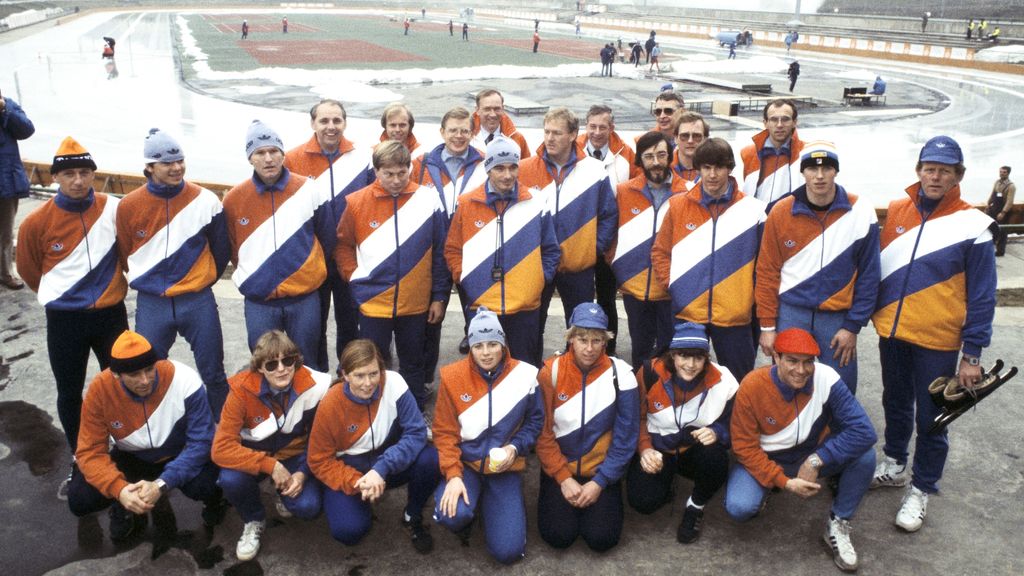
On February 8, 1984, eleven Dutch speed skaters arrived in Sarajevo, including seven men and four women. The opening ceremony at the Kosevostadion was about to begin, yet even before the first race, concerns were apparent within the Dutch camp. The mood was low from the outset, conflicts between coaches emerged, and ultimately, the team failed to secure any medals during the games.
Team tensions had been simmering throughout the winter leading up to the Olympics due to unclear qualification procedures and frequently changing selection criteria by the Dutch skating federation (KNSB). Skaters were uncertain about how to qualify for the Olympics, as rules were revised nearly every week. Geert Kuiper, who was making his Olympic debut at age 23, later reflected that the chaos of Sarajevo was a catalyst for essential reforms in Dutch speed skating.
Kuiper skated for the first time in an international competition on the unfamiliar and uncovered ice of Olimpijska Dvorana Zetra. The ice conditions were poor, with snow falling heavily and only occasional attempts to maintain the surface, which impacted performance. Off the ice, disagreements between allround coach Henk Boer and sprint coach Gauke Nijholt escalated into a physical altercation, illustrating the broader disorder within the team management.
One notable example of organizational confusion involved the contested third starting spot for the 1,500 meters. Jan Egil Kramer thought he had qualified after competing in the European Championships but was later told he must compete again in Davos against Hein Vergeer, who had been pre-selected for other distances. Kramer lost the qualifying race after a demanding season, further compounding the team’s difficulties.
Kuiper described his experience during the 500-meter race, which was delayed and rescheduled from morning to late afternoon due to snow, leaving him isolated and without proper support for several hours. Despite the setbacks, he finished sixteenth but was subsequently replaced on the 1,000-meter start list by Hilbert van der Duim without explanation. Van der Duim, expected to be the team’s leading medal contender, failed to meet expectations, finishing seventh, ninth, and tenth in his events.
The women’s squad faced other challenges, lacking a clear frontrunner and contending with strong, often unfair competition from East German skaters. Their results were disappointing, and the overall atmosphere within the Dutch delegation worsened, with athletes feeling criticized by officials who lacked understanding of the sport.
Ultimately, the Dutch speed skating team returned home without medals for the first time since the 1960 Winter Olympics in Squaw Valley. Looking back, Kuiper considers Sarajevo to have been the low point that forced a fundamental restructuring of Dutch skating, laying the groundwork for future successes.