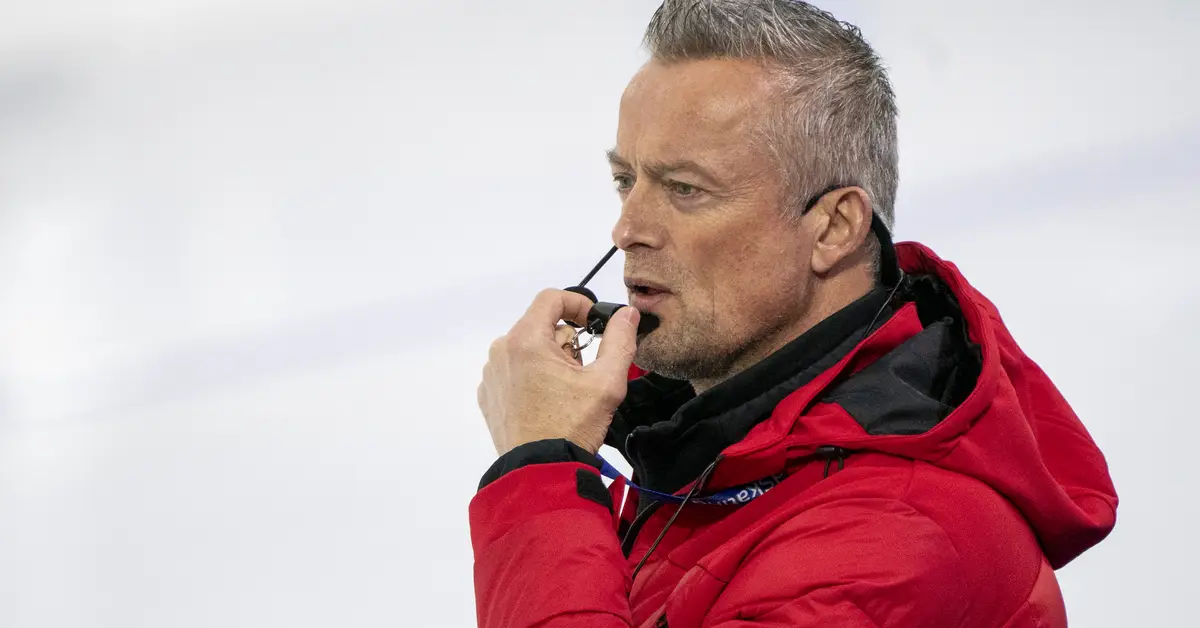
André de Vries, a long-time starter in speed skating, discusses his career progression, the challenges of reaching the age limit set by the ISU, and his outlook on participating in the upcoming Olympic Games.
Schaatsen.nl, a Dutch speed skating news outlet, reports on De Vries’ perspective and experiences.
De Vries began working as a starter in speed skating at the age of 21, initially officiating at club and track events in Thialf. Over time, he advanced to premier international competitions starting in 2014, which require maintaining a consistently high level of performance due to ongoing assessments and evaluations.
The International Skating Union (ISU) mandates that starters must retire from the international list at age 60. De Vries and fellow starter Janny Smegen were both approaching this age, leading to a competitive selection for continuation. Ultimately, De Vries was retained, allowing him the opportunity to attend the Olympics, which he describes as the “icing on the cake” of his career. Despite this, he acknowledges that his career was fulfilling regardless of Olympic participation, highlighting numerous memorable events, international travel, and connections made over the years.
De Vries also has a background in skating himself, having competed between the ages of 14 and 19 with the club De IJsleeuwen. After a break during his military service and subsequent police work, he resumed skating recreationally when his daughters began skating lessons. He currently trains at the Elfstedenhal in Leeuwarden.
Reflecting on his role as a starter, De Vries recalls being invited into the position at 21 while living near Thialf. He enjoyed the atmosphere, especially starting 500-meter races in front of a full stadium, a unique experience that provides both athletes and officials with an adrenaline boost.
Regarding managing competition nerves, De Vries has evolved from becoming anxious days in advance to focusing his mental energy about twenty minutes before the event. He notes the importance of maintaining a healthy level of tension, using humor and interaction with others to stay composed. The moment he gives the official starting signal marks the beginning of his focus.
Addressing situations where athletes face extreme pressure, such as Marrit Fledderus at the Olympic Qualification Tournament (OKT), De Vries emphasizes the necessity of consistency and fairness. He regrets incidents requiring disqualification due to false starts but stresses the importance of impartial enforcement to ensure a just competition for all participants.