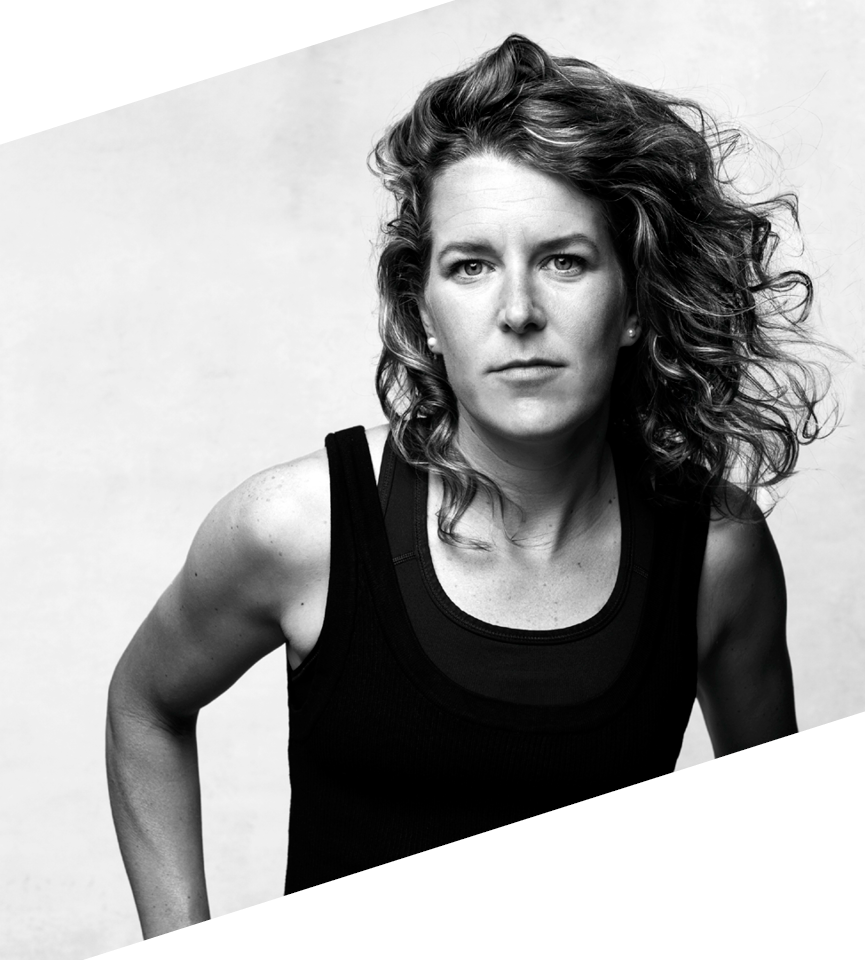
Ireen Wüst discusses the evolution of training methods and mental support in Dutch speed skating, highlighting differences between past and present approaches.
Trouw, Netherlands
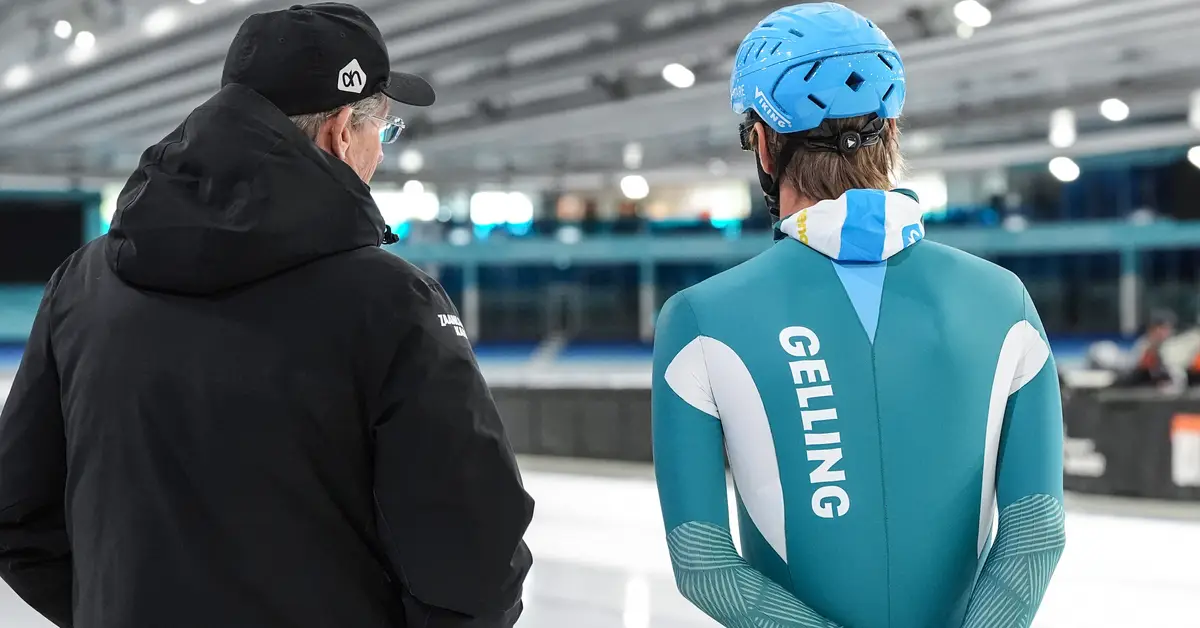
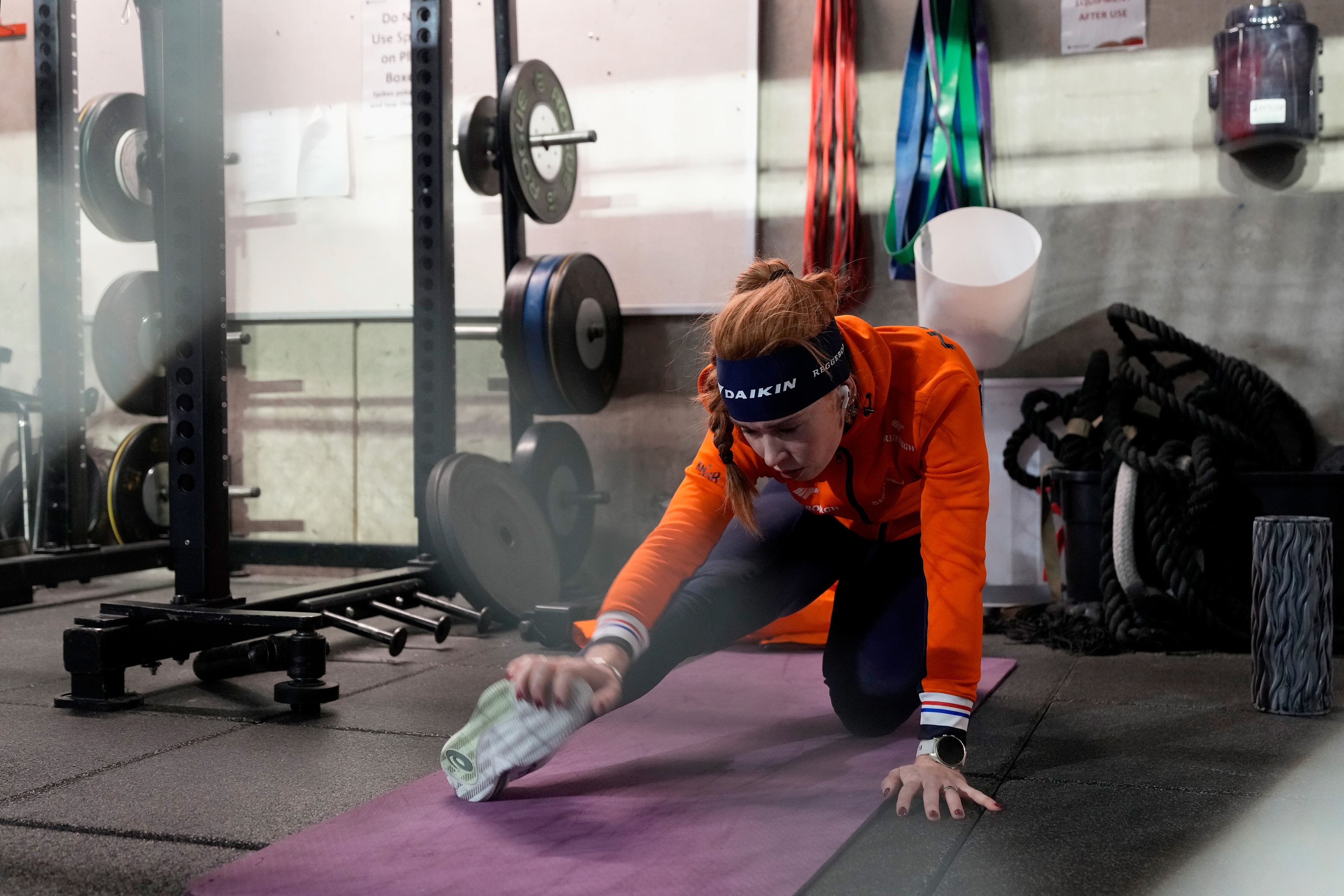
According to Wüst, there is a significant difference in how training volume and intensity are approached in the Netherlands compared to other countries. She cites examples such as Sander Eitrem and several inline skaters who maintain a much higher training volume, something Dutch skaters have not traditionally done. This divergence in training philosophy is identified as a key challenge for Dutch athletes.
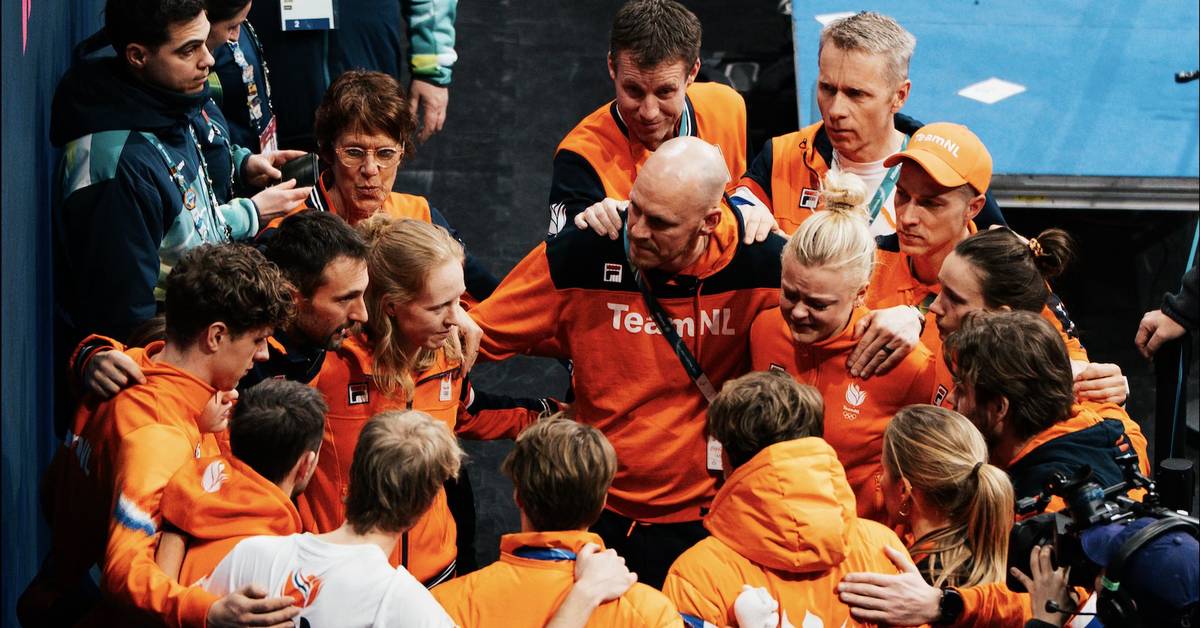
Wüst also reflects on the progress made regarding mental coaching in elite sports. She recalls that during her early career in the national junior team, mental support was minimal and somewhat superficial, limited to questionnaires and basic guidance a few times a year. When she transitioned to commercial teams, mental coaching was largely absent and regarded as taboo. Wüst shares her personal experience of seeking psychological help covertly after suffering from overtraining in 2008 due to the stigma associated with mental health support.
Today, Wüst notes a shift in attitudes, with mental coaching becoming more accepted and accessible. In her role as a mental support expert at NOC*NSF, she observes that athletes increasingly recognize the benefits of discussing what is going well, what challenges they face, and what they can improve. She emphasizes the importance of personal accountability in influencing outcomes, rather than placing blame externally.
Regarding the current generation of skaters, Wüst describes them as superior not only physically and mentally but also possessing a stronger competitive mindset compared to those who competed in the 2006 Olympics. She highlights that while Dutch success was more limited in the early 2000s, there are now multiple athletes with strong potential to win at major events, indicating that the Netherlands has grown in its understanding of what it takes to succeed at the highest level.