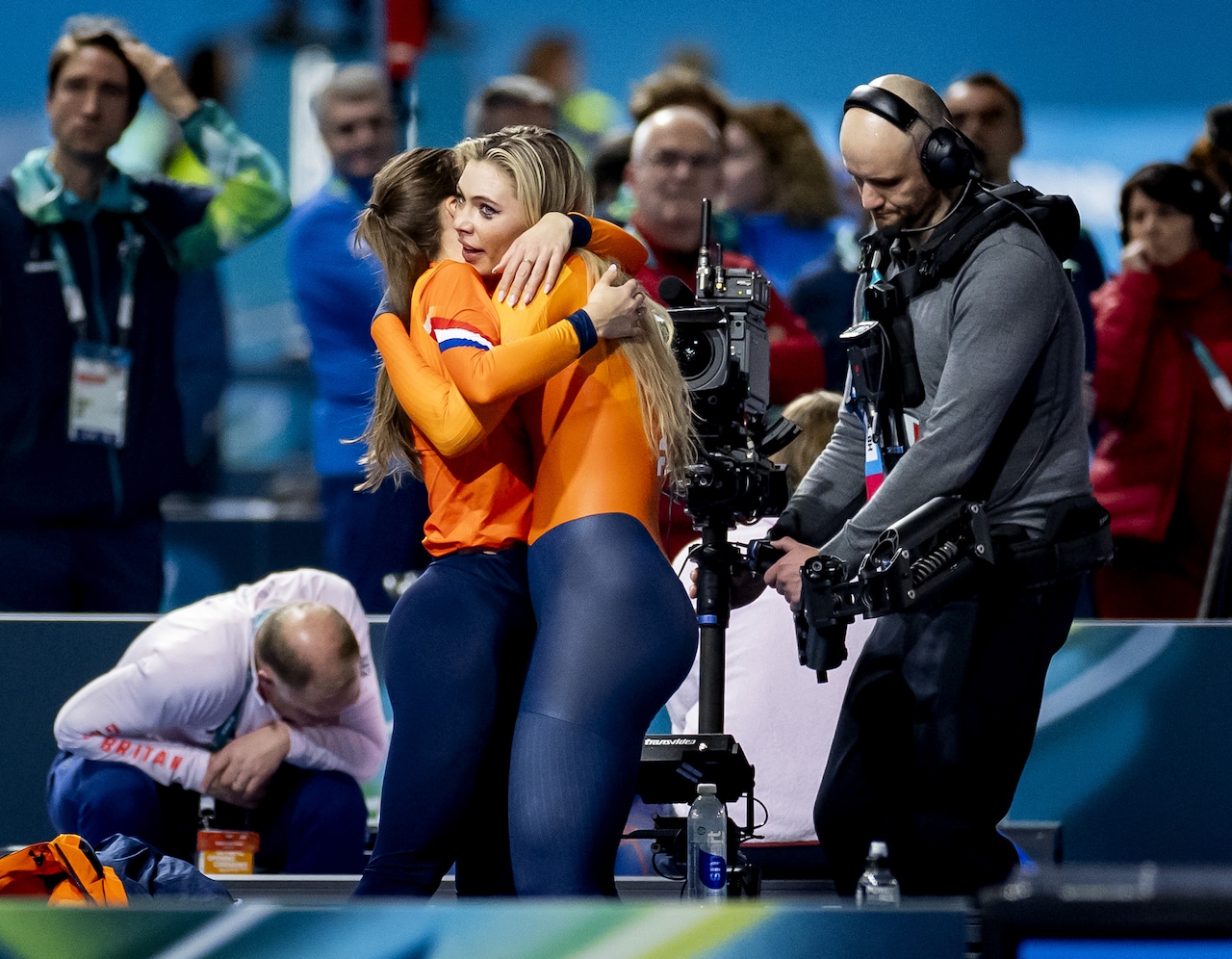
Consistently referring to accomplished female athletes such as Jutta Leerdam and Femke Bol as “girls” diminishes their achievements and undermines their professionalism.
Volkskrant, a leading Dutch news outlet, highlights the issue of infantilizing language used in sports commentary and media coverage.
During the recent 1000-meter speed skating event at the Winter Olympics in Milan, gold medalist Jutta Leerdam and silver medalist Femke Kok were repeatedly called “meiden” or “meisjes,” Dutch terms for “girls,” despite both being in their mid-twenties and established athletes. Former skater and commentator Mark Tuitert and Queen Máxima of the Netherlands both used such terms in public remarks, arguably intending to express affection or respect. However, the article argues that regardless of intent, using such diminutive terms for adult women in professional sports is problematic.
The author points out that these athletes are not teenagers or juniors but mature professionals who have proven their excellence over years. Referring to them as “girls” infantilizes their accomplishments and casts them as less authoritative or competent than their male counterparts. In contrast, adult male athletes with similar achievements are rarely labeled boys; they are recognized as men, leaders, and stars. Language both reflects and reinforces social status, and diminishing language can affect how seriously female athletes are taken.
While dictionaries define “meisje” simply as a female child, words acquire social meaning through cultural context. The discussion references the Always campaign “Like a Girl,” which challenged stereotypes about the meaning of doing something “like a girl.” The campaign demonstrated how language can influence perceptions of capability and strength from a young age, highlighting how harmful stereotypes associated with females persist.
The article also addresses how vocal tone contributes to perception. Femke Kok and Femke Bol possess high-pitched voices, common in women, which some media figures have linked to naivety or youthfulness. Research shows that voice pitch can unconsciously influence judgments of authority and competence, with lower tones often perceived as more dominant. Labeling high-performing women athletes as “girls” reinforces stereotypes that they are less commanding, despite their proven abilities.
The piece underscores that language is never neutral; it shapes how people are seen and respected. From careful wording used in sensitive reporting, such as references to victims in legal cases, it is clear that society understands the power of words. Therefore, the article advocates for consistently recognizing female athletes as “women,” especially when they achieve world-class success and earn medals at the Olympic level.