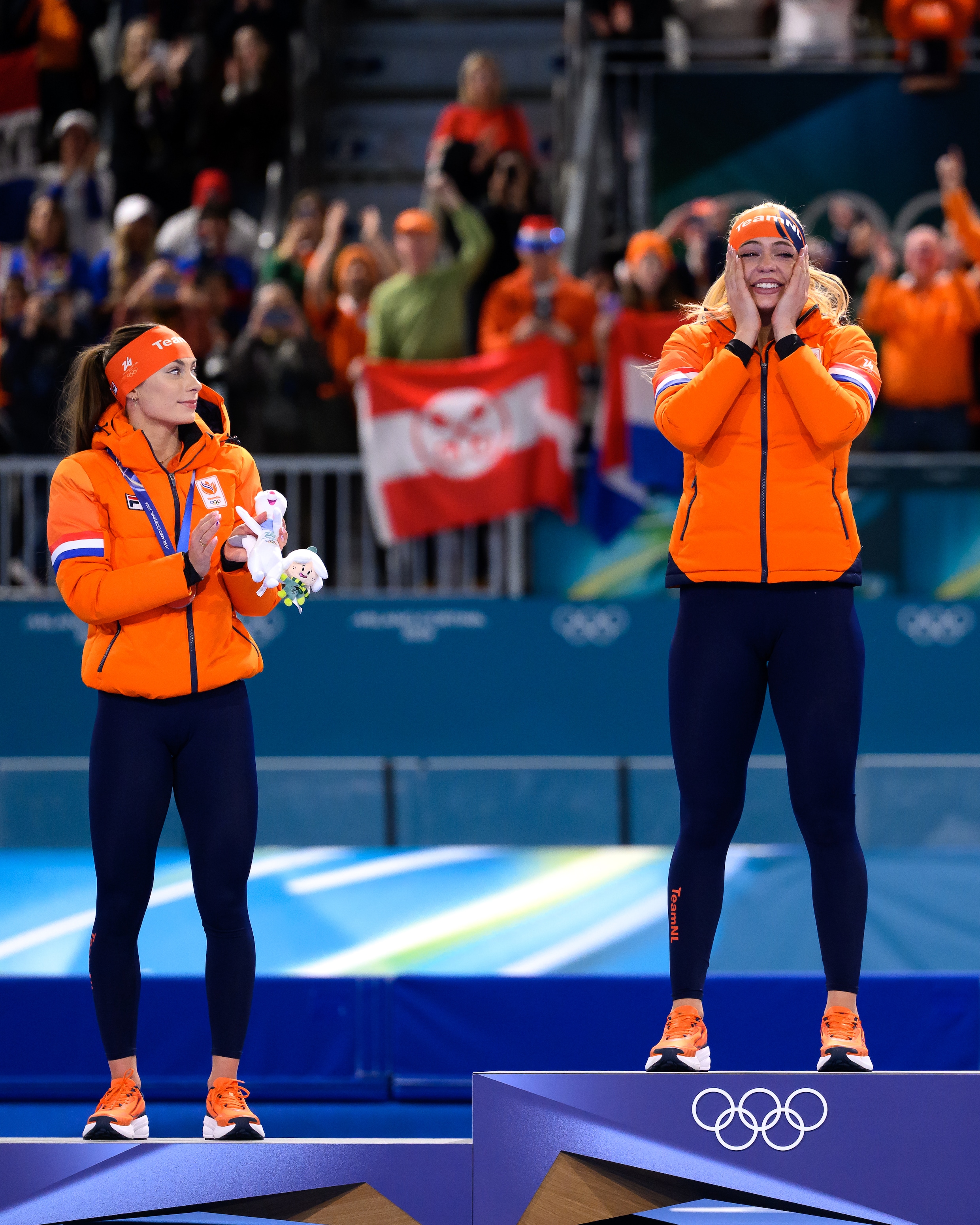
The women’s 500 meter speed skating event at the upcoming Winter Olympics is set to be fiercely contested, as Dutch skaters Femke Kok and Jutta Leerdam, who showcase distinctly different skating techniques, emerge as the top contenders for the first Olympic gold in this distance for the Netherlands.
Volkskrant, published in the Netherlands, provides detailed insights into this upcoming race.
The women’s 500 meter has historically been the one Olympic distance where Dutch skaters have yet to win gold. Femke Kok has been widely viewed as the favourite due to her world record and unbeaten streak since early 2024. However, Jutta Leerdam’s recent strong performance in the 1,000 meters has introduced greater uncertainty and excitement into the competition. Their contrasting skating styles and physical builds contribute significantly to how they approach the race.
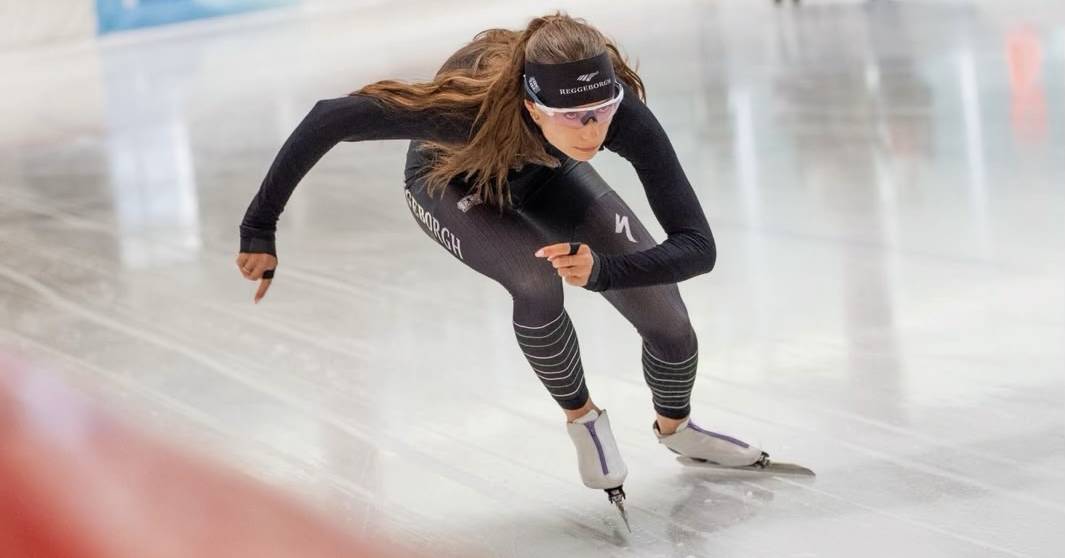
Physically, Leerdam stands taller at 1.81 meters and has a more muscular frame compared to Kok’s 1.72 meters. These differences affect their skating techniques. Kok, known for her flexibility and deep starting position—a skill she attributes to her background in gymnastics—employs a powerful sideways push right from the start, which her former coach describes as her greatest strength. In contrast, Leerdam’s start shows less refinement but benefits from greater muscle mass, requiring more time to generate initial speed.
During the initial strides, experts note that Kok maintains a low knee angle and a fluid motion, while Leerdam takes longer, more forceful strides, relying heavily on her strength. Although Leerdam initially faced challenges with technique compared to Kok’s more natural movement, she has worked diligently to master the technical aspects of skating, combined with an innate ability to transfer power efficiently onto the ice.
When entering the first bend, Kok’s smooth transition with no visible interruption contrasts with Leerdam’s performance, where she excels more in the wider, outside lanes that allow her to maintain speed better. Leerdam sometimes struggles to accelerate effectively in tighter inner bends due to the stronger centrifugal forces acting on her taller frame.
The differences become more apparent when they reach top speeds exiting the first curve. Kok’s skating is characterized by elegance and relaxation, described as light and supple, whereas Leerdam’s strokes are slower but heavy and consistently powerful, effectively translating strength into forward motion—a key factor in maintaining speed.
While Kok dominates the early, explosive phase of the race, Leerdam shows remarkable endurance and the ability to sustain speed during the grueling final 100 meters, even under fatigue. Observers note that Leerdam is exceptional in pushing through pain and keeping her stroke pressure steady, a quality few competitors worldwide possess.
The recent 1,000 meter event highlighted the potential for a thrilling head-to-head battle, with Leerdam posting a faster opening lap than Kok, heightening anticipation for their showdown in the shorter distance. Both athletes are aware of the mutual challenge, which may come down not only to physical capability and technique but also to mental resilience under Olympic pressure.
Leerdam has demonstrated her ability to perform under high stakes, supported by a focused mindset that balances determination with intuition. Kok, noted for self-criticism and perfectionism, has learned to concentrate on her performance tasks effectively, illustrating strong mental fortitude guided by her current coach.
Coaches and analysts emphasize that both skaters bring unique advantages to the ice: Leerdam’s strength against Kok’s technical proficiency. They expect the duel to be tightly contested, with the contrasting styles likely producing remarkably close results and an exciting competition for the coveted Olympic title in the 500 meters.