Kjeld Nuis, the defending Olympic champion, discusses the intense physical and mental challenges of the 1,500-meter speed skating race, which is often described as a long sprint demanding high endurance and technical skill.
NOS, a Dutch news outlet, provides detailed insights into the race and the preparation required for this demanding event.
The 1,500-meter speed skating event is known for pushing athletes to their limits, as the body experiences oxygen deprivation and extreme fatigue. Kjeld Nuis, aged 36 and reigning Olympic champion, explains that during the race one may experience blurred vision or even darkness before the eyes, and the physical toll can be severe enough to trigger a strong vomiting reflex. He prepares to defend his title at 16:30, understanding the event as a grueling test of both endurance and technique.
Former Olympic champion Mark Tuitert describes the race as “a very long sprint” where competitors from sprint and middle to long distances converge. This combination creates a complex tactical race where pacing and mental strength play critical roles. Tuitert points out that the 1,500-meter distance is unique in that it can be approached in several different strategic ways, with athletes balancing risk and sustained effort.
Nuis highlights the difficulty of maintaining technical form as the body begins to suffer lactic acid buildup almost immediately, causing muscle fatigue. The race requires athletes to endure significant pain, with Tuitert noting that the initial 45 seconds can be done almost at maximum effort, but the remaining minute must be completed with focused determination despite physical discomfort.
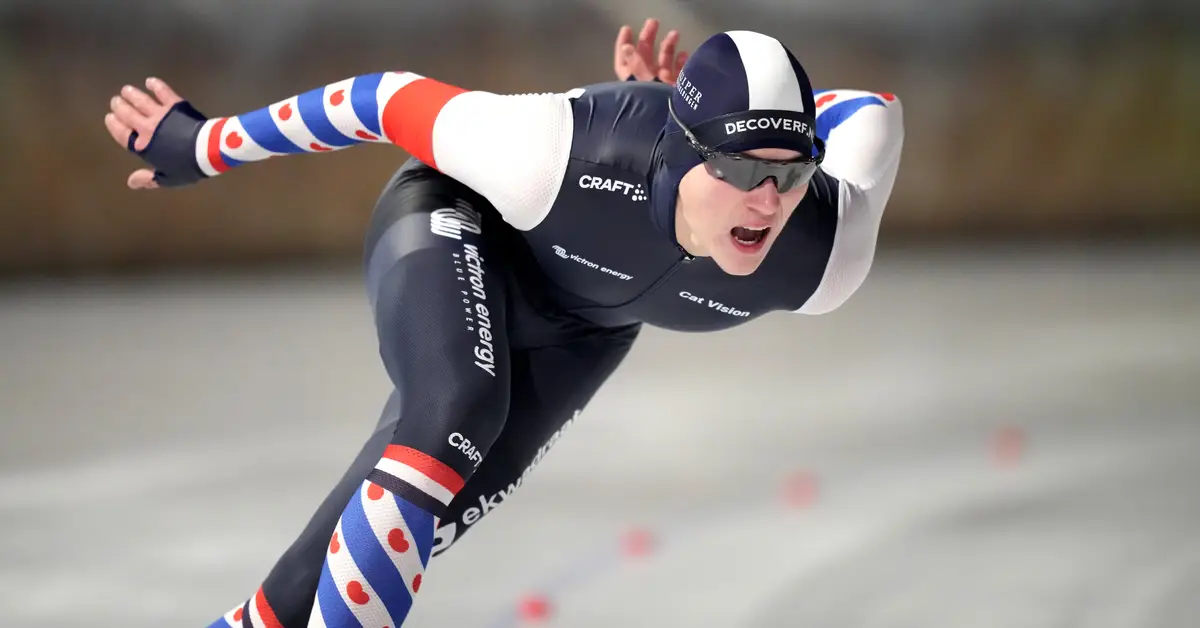
The Dutch team will feature Nuis, along with Joep Wennemars and Tijmen Snel. American skater Jordan Stolz is considered the top favorite due to his ability to unleash a strong finishing lap. Nuis explains that the 1,500 meters is one-third longer than the 1,000-meter event, presenting a challenge to sprinters who lose speed as their muscles fill with oxygen debt.
Tuitert elaborates on the physiology behind the event, describing how the effort is split between aerobic and anaerobic energy systems—approximately half of the race is completed using oxygen-powered endurance and the other half through short, high-intensity bursts that are hard to sustain. This division causes a battle in the body, demanding a fine-tuned balance between speed and stamina.
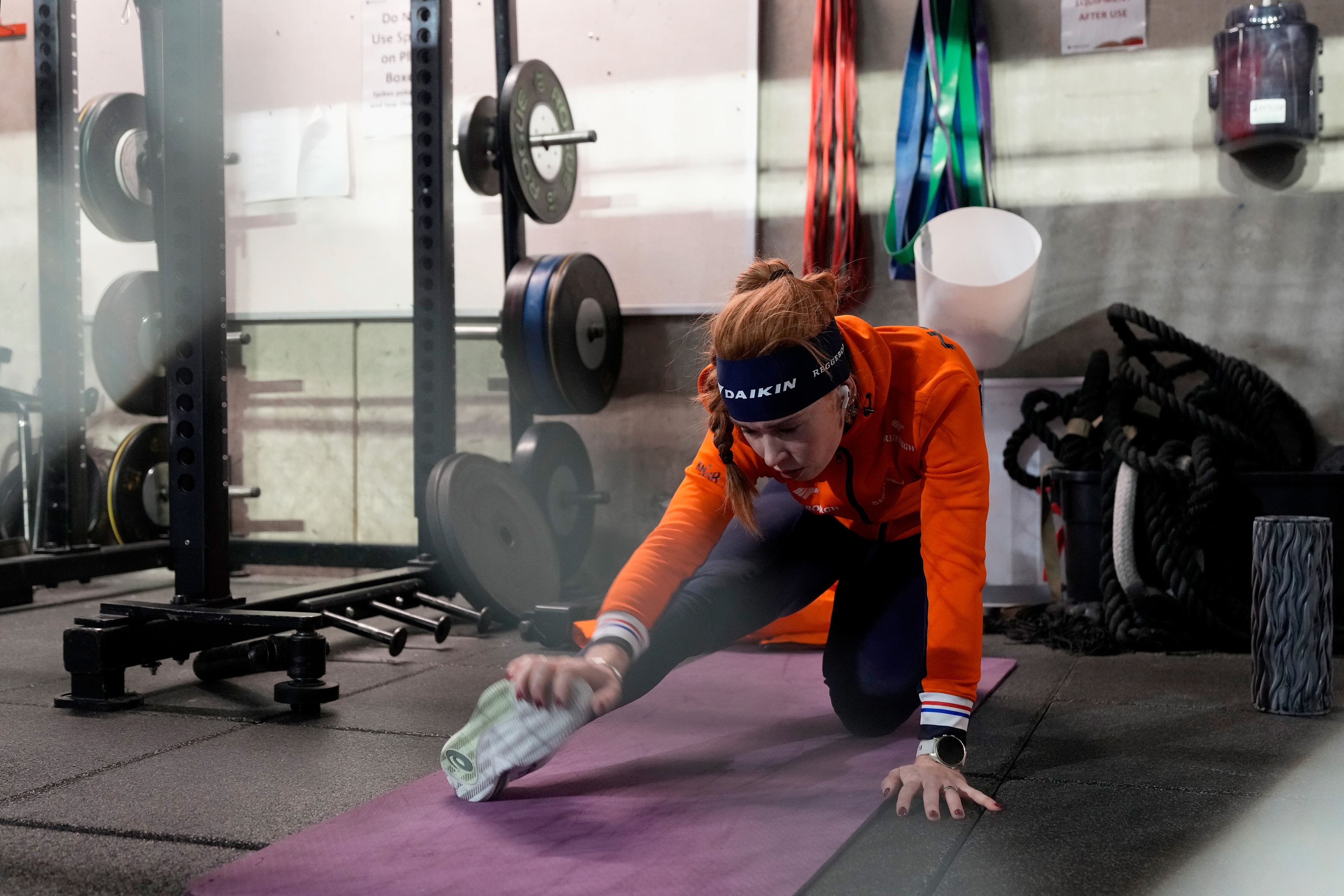
The training required to excel at 1,500 meters is particularly complex as sprinters must develop endurance without sacrificing speed, while long-distance skaters work to increase their speed without compromising their stamina. Mentally, athletes must overcome the anticipatory distress of pain and fatigue without holding back prematurely, which could lead to slower times.
Jordan Stolz’s capacity to accelerate strongly in the final 500 meters gives him an edge, though Nuis acknowledges that matching Stolz’s finishing power is challenging. Even Stolz experiences severe physical stress, having vomited after a recent World Cup race, illustrating how punishing the distance is to all competitors.
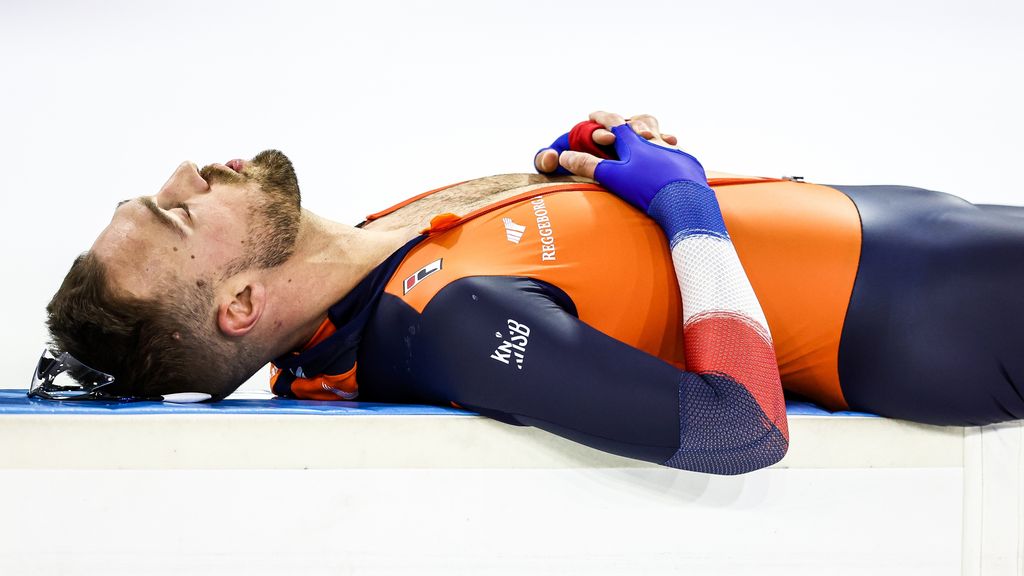
Tuitert explains that during the race, the body’s signals to stop increase, with concentration and visual awareness diminishing as the legs and lungs burn. Nuis adds that symptoms such as dizziness, blurred vision, a metallic taste in the mouth, and even difficulty undoing shoelaces are common. Recovery immediately after the race is also crucial, with Tuitert advising against sitting or lying down right away to avoid hampering the body’s clean-up processes.
Despite the difficulty and pain involved in racing 1,500 meters, both Nuis and Tuitert agree that the event is highly rewarding when performed well and can be a highlight of a skater’s career.