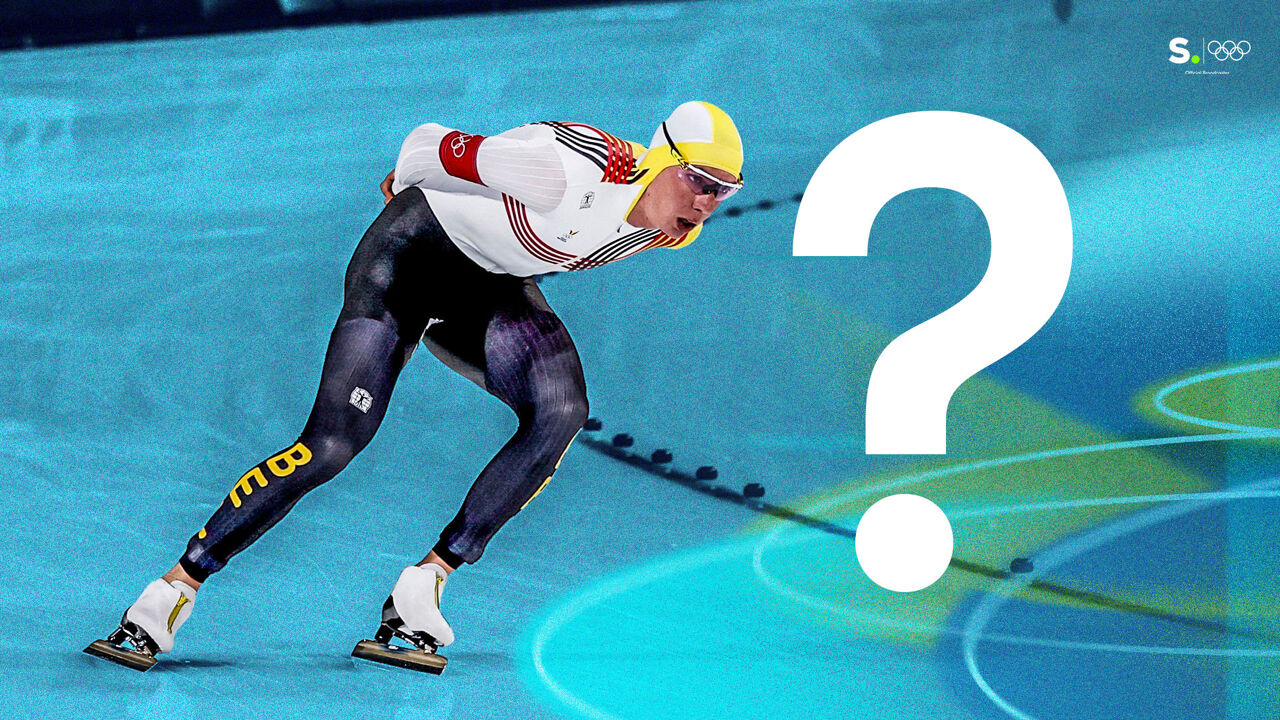
Bart Swings enters the 2026 Winter Olympics mass start event as Belgium’s top medal prospect, with his coach addressing key questions about his form, strategy, and competition ahead of the race.
Sporza, Belgium
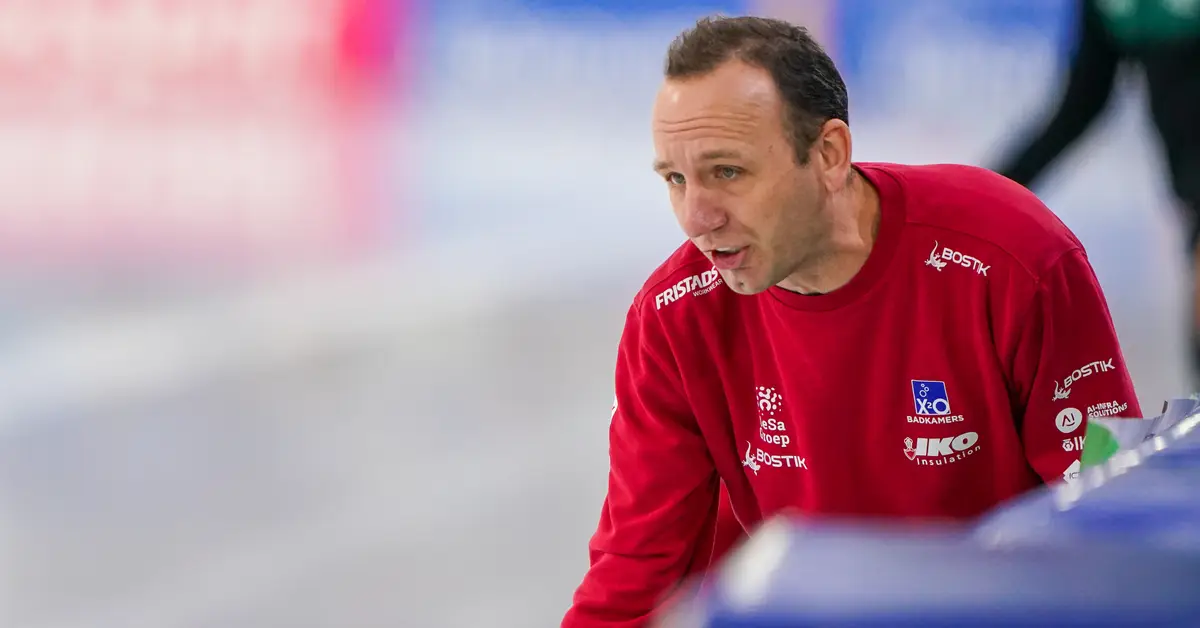
Bart Swings has been a consistent presence in Olympic mass start speed skating, having secured silver and gold medals in the two previous Winter Games. As he prepares for the mass start event on February 21, 2026, his coach Jelle Spruyt shared insights about Swings’ readiness and tactical approach. Despite an imperfect buildup, Swings has remained focused, confident, and physically prepared. He described his current mindset as committed and fresh, noting some nerves given the high stakes of the race. Swings’ experience in similar high-pressure situations is seen as an asset heading into the competition.
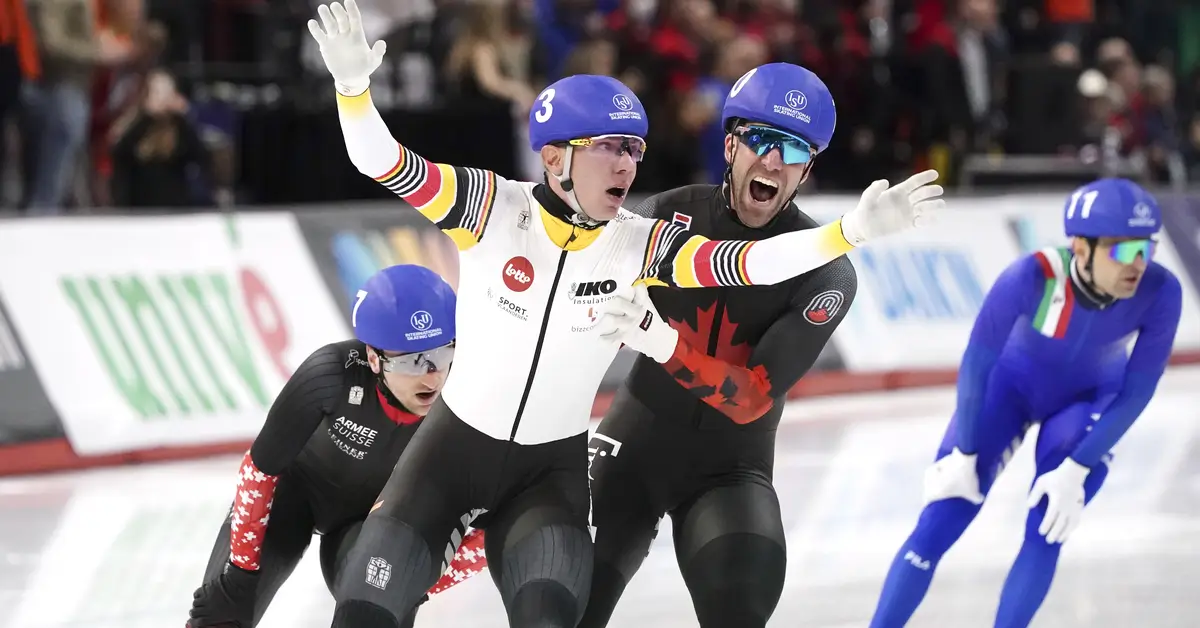
Swings’ strength in the mass start comes from a blend of speed in the final laps and intelligent race tactics. His background in inline skating has helped him develop skills essential for navigating the dynamic conditions of skating in a large group. This contrasts with individual timed events like the 5,000 or 10,000 meters, where pacing is more uniform. The tactical complexity of the mass start suits Swings’ racing style, enabling him to be a consistent medal contender.
As the reigning Olympic champion, Swings is expected to be closely marked by rivals. His pattern of aggressively closing gaps and influencing the race makes him a key figure that others watch carefully. Still, this attention can be a double-edged sword, as some competitors in close proximity do not always provide helpful pacing or positioning advantages during the race.
Swings and his coach have prepared a range of tactical scenarios in advance, but they acknowledge the unpredictability of the mass start event. Current field dynamics suggest a more aggressive pace with numerous attacks compared to previous Olympics. This may benefit Swings, who performs well in demanding conditions and maintains strong endurance across a challenging race.
Among Swings’ main competitors is American skater Jordan Stolz, a strong sprinter who has achieved gold and silver medals at the recent Milan championships. Stolz is anticipated to prefer a tightly packed race where he can leverage his sprinting abilities at the end. However, questions remain about his willingness to contribute to controlling the race pace when attacks arise. The Dutch team is also expected to adopt an attacking strategy, fielding skaters who excel in offense rather than sprint finishes, which could affect race dynamics in Swings’ favor.
Belgian skater Indra Médard is expected to support Swings by managing race situations such as closing gaps and assisting with positioning if both reach the final. While Médard’s presence would be beneficial, securing a spot in the final remains a challenge for him.
Swings’ chances for a medal, while promising, are not guaranteed due to the mass start’s inherent unpredictability. Incidents like crashes or tactical miscalculations can have immediate consequences. Passing through the semifinals is critical, but many factors influencing the final outcome are outside of any single athlete’s control. Nonetheless, if Swings reaches the final, his experience and skills make him a strong contender to finish on the podium.