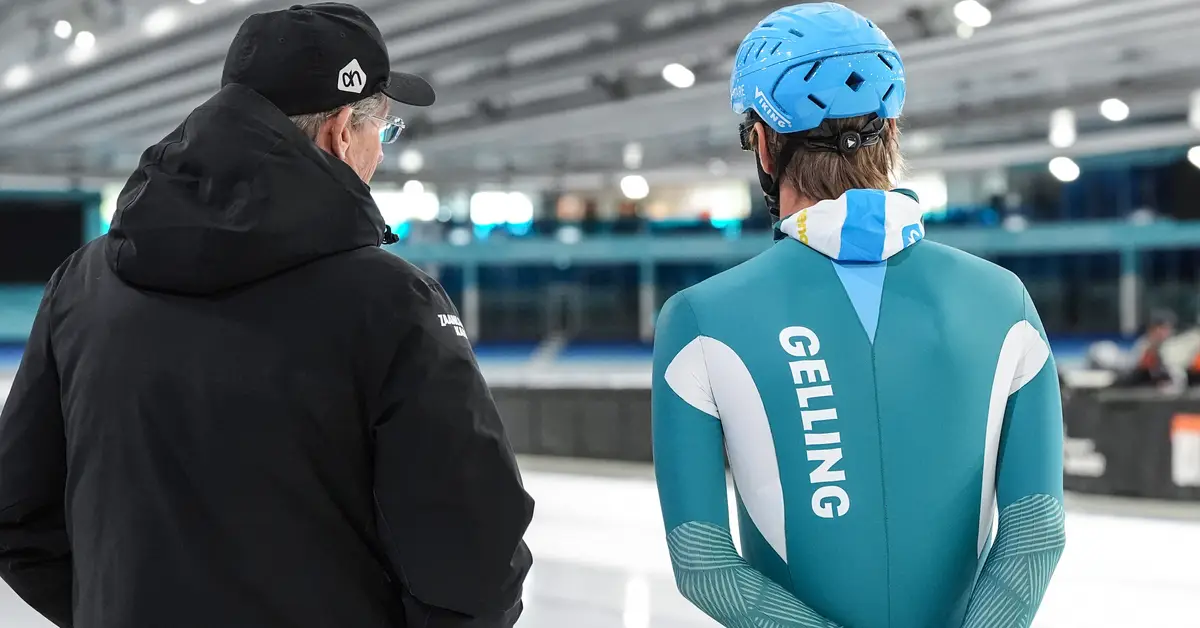
The longstanding dominance of the Netherlands in speed skating is showing signs of decline, as recent competitions highlight emerging challenges to their supremacy.
According to Sportschau, the recent Junior World Championships in Inzell demonstrated this shift, with German skater Finn Sonnekalb winning five gold medals and outperforming the Dutch competitors, who did not secure a world champion title. This performance marked a notable comeback for Sonnekalb after a disappointing Olympic showing due to illness.
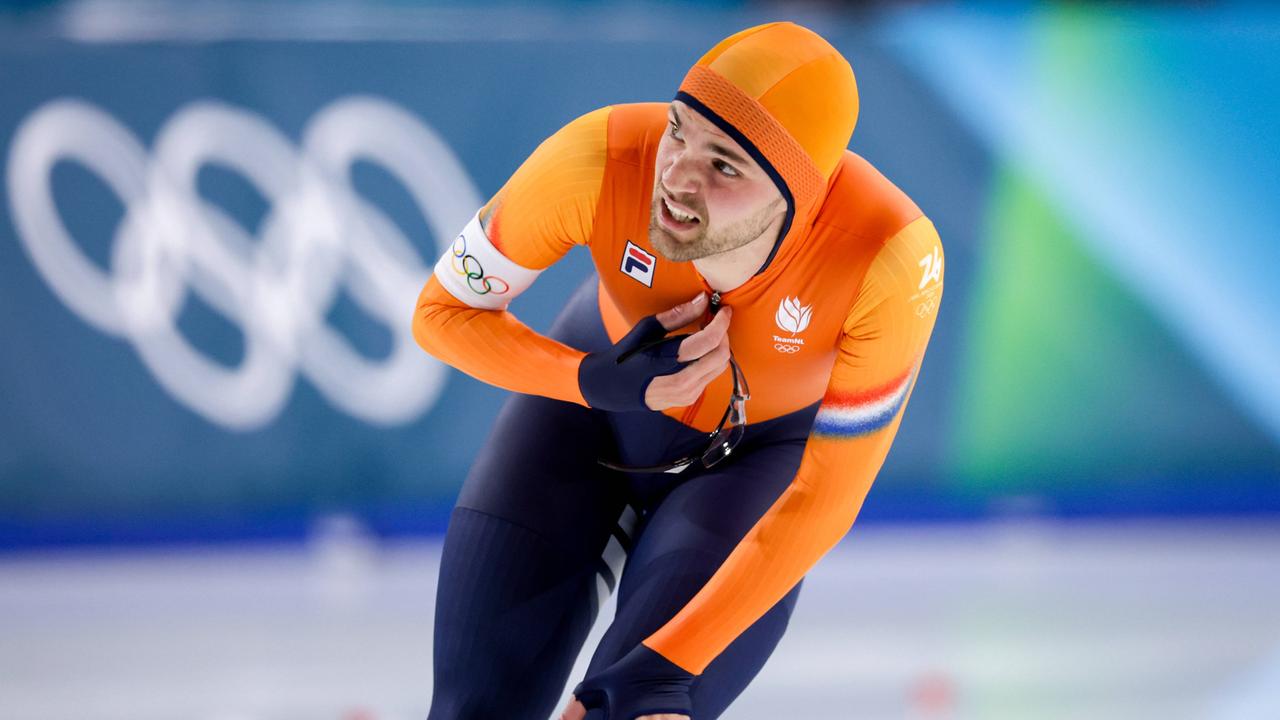
The Netherlands’ decreasing hold on international speed skating is further reflected in their Olympic results. At the Winter Olympics in Milan, the Dutch team earned five gold medals and a total of 13 medals, which represents their worst performance since the 2010 Vancouver Games. Although they managed to win the mass start events in Milan, these victories came unexpectedly, as their athletes were not considered front-runners. Historically, the Netherlands dominated speed skating, winning 23 out of 36 medals at the 2014 Sochi Olympics, but recent results suggest a decline.
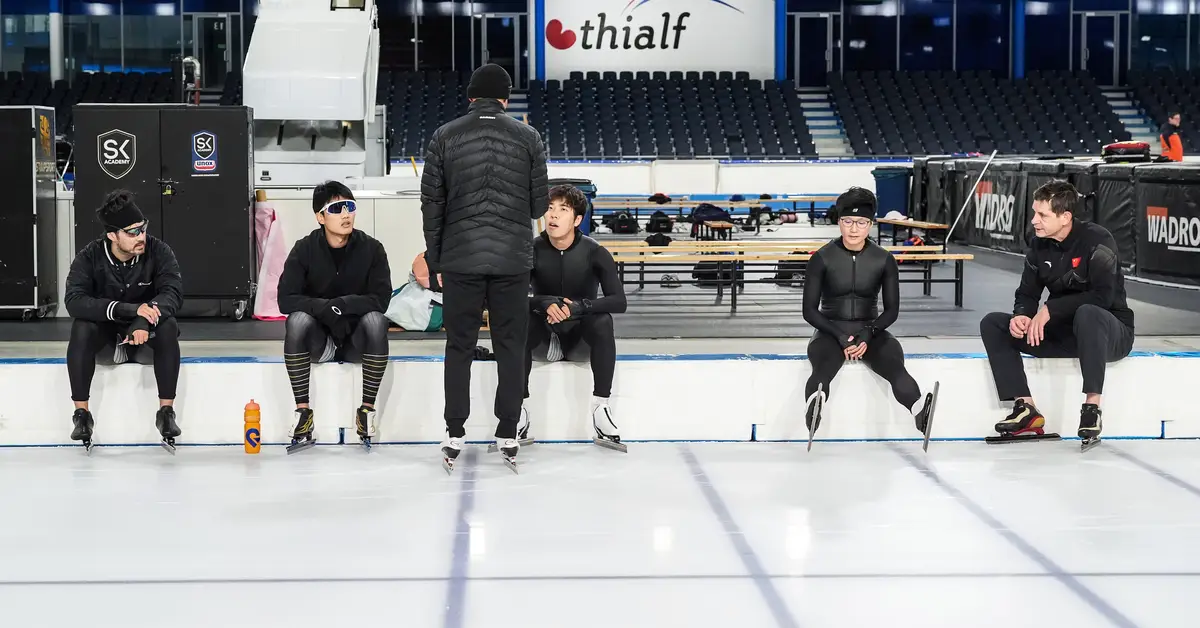
Speed skating remains deeply ingrained in Dutch culture, with a strong grassroots presence and professional training infrastructure. Children often learn to skate early, and many athletes train within professional cycling teams. The national federation is centrally organized, with a key training facility located in Heerenveen. This well-established system contrasts with Germany’s approach, where training is spread across three main locations—Berlin, Inzell, and Erfurt—that reportedly lack coordination and cooperation.
Holger Gerska, a sports journalist with decades of experience covering speed skating for ARD radio, attributes part of Germany’s struggles to structural and leadership issues within its federation. Frequent changes in leadership, with four different sporting directors since 2010, have hindered consistent strategic direction. Furthermore, internal conflicts within the German Speed Skating and Short Track Community (DESG) under President Matthias Große have created a challenging environment for athletes, as highlighted by recent public criticisms and sanctions against prominent skaters.
Despite Germany possessing significant infrastructure—including three of the world’s sixteen speed skating rinks—results have not matched this advantage. Gerska points out examples like the Czech Republic, which has no rink yet produced an Olympic champion. Additionally, the expertise of former German speed skating stars remains underutilized, with only Claudia Pechstein, closely connected to federation leadership, involved in current support roles.
Looking ahead, the Dutch men’s team faces uncertainties, especially with the retirement of key athletes such as 40-year-old Olympic mass start champion Jorrit Bergsma. On the sprint side, American skater Jordan Stolz is emerging as a dominant figure, alongside potential from Finn Sonnekalb, challenging Dutch competitiveness. The international field in speed skating is now more balanced, with Olympic champions emerging from seven different nations during the recent games, marking a more competitive era.
While the Netherlands no longer enjoys undisputed dominance, the prospects for Germany to capitalize substantially on this shift appear limited, with Sonnekalb being a standout exception capable of making an impact on the global stage.