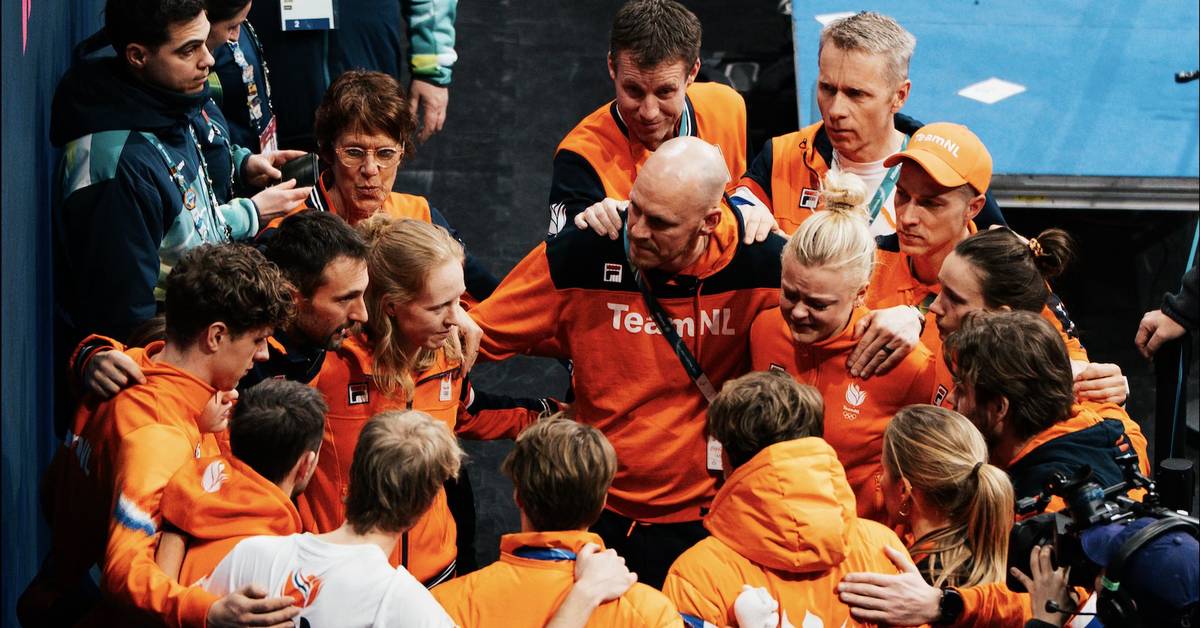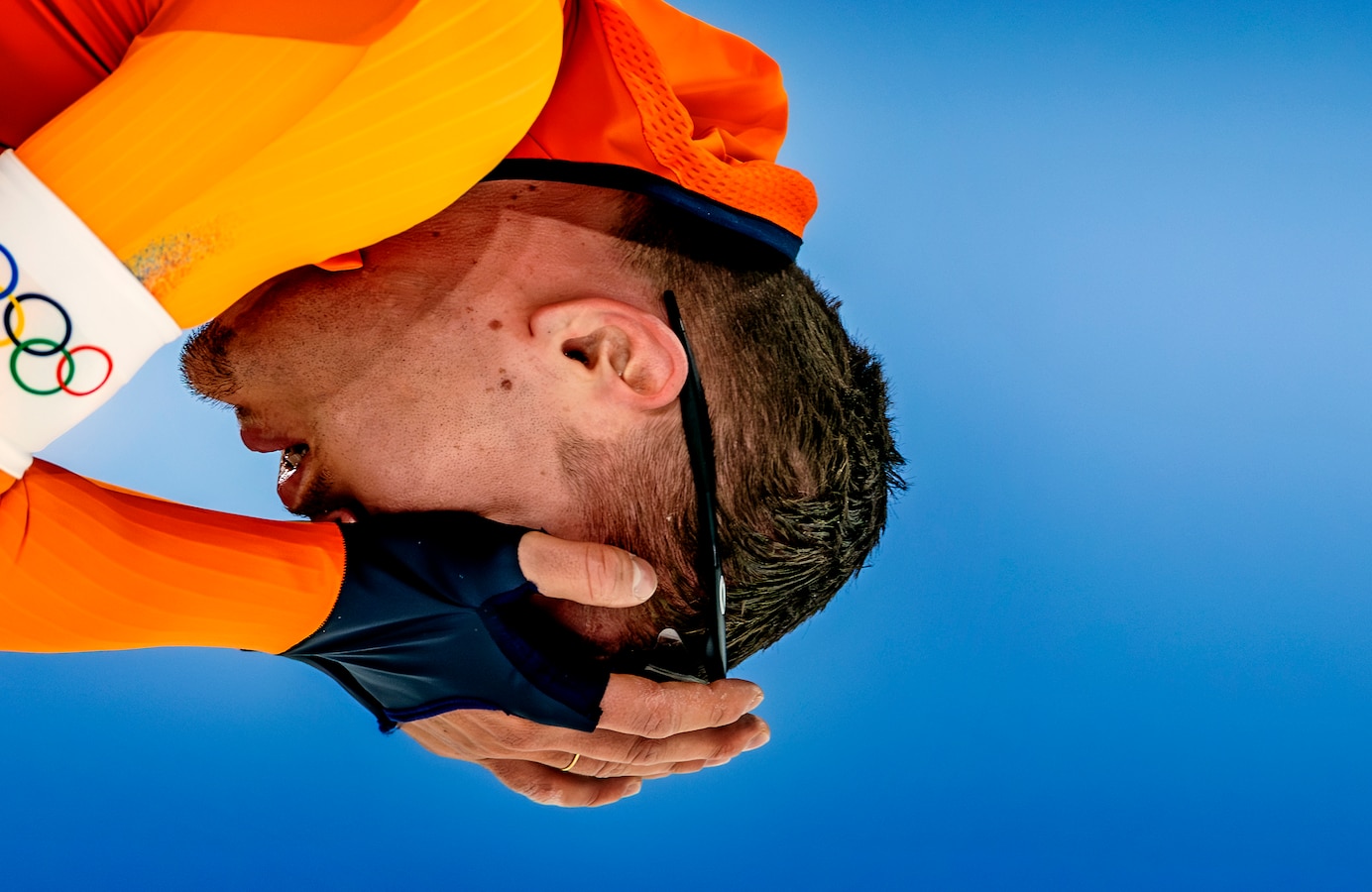
Joep Wennemars has spoken openly about his challenging experience at the recent Olympic Games, attributing some of the difficulties he faced to decisions made by the referees amid external pressures. As he prepares for the World Sprint Championships in Heerenveen, he emphasizes a focus on moving forward rather than seeking revenge.
AD, a news outlet from the Netherlands, reports on Wennemars’s reflections and expectations for the coming competition.
Joep Wennemars, who endured a difficult and publicly scrutinized Olympic Games in Milan, is set to conclude his season with the World Sprint Championships at Thialf in Heerenveen. Despite the setbacks at the Olympics, Wennemars states that he holds no lasting anger toward the Chinese skater Lian Ziwen, who collided with him during the 1000-meter event, causing him to miss out on a medal. Instead, his frustration is directed at the referees present during that moment, who he believes failed to manage the situation appropriately under significant pressure.
Reflecting on the incident, Wennemars noted that while the collision was entirely Lian Ziwen’s fault, what followed—particularly the requirement for him to race his repechage prematurely—left him with inadequate recovery time and negatively impacted his performance. He expressed that the rules on recovery time need to be reconsidered, as he was given only about half an hour to recover before his next race, which he described as insufficient for an athlete to perform optimally.
Wennemars also commented on external factors influencing the referees’ decisions, mentioning the presence of high-profile figures such as Snoop Dogg in the stadium and the celebratory atmosphere surrounding other competitors. He suggested that these elements contributed to the referees yielding to commercial and event pressures rather than prioritizing fair sport conduct. Despite this, he acknowledged the limitations athletes face in challenging such decisions during competitions.
Since returning home, Wennemars has focused on preparing for the upcoming World Sprint Championships, which he sees as a way to maintain his training rhythm and regain a sense of fulfillment in the sport. He dismisses any notion that he is motivated by revenge, instead expressing a commitment to demonstrate his capabilities without the burden of setting the past right. He also anticipates that the difficulties of the Olympic experience may continue to impact him after the season concludes, particularly during rest periods away from competition.