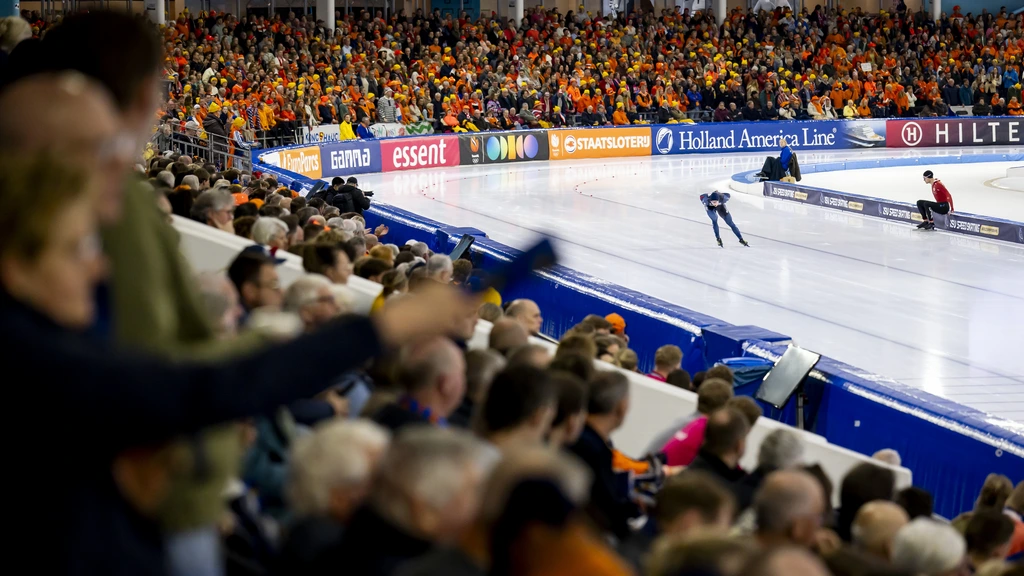
Significant progress has been made in recent years to prepare ice rinks in the Netherlands for a sustainable future, according to the ice masters overseeing Thialf arena in Heerenveen.
Schaatsen.nl, the Dutch ice skating news outlet, reports on the ongoing efforts to reduce energy consumption and enhance the efficiency of ice rink operations.
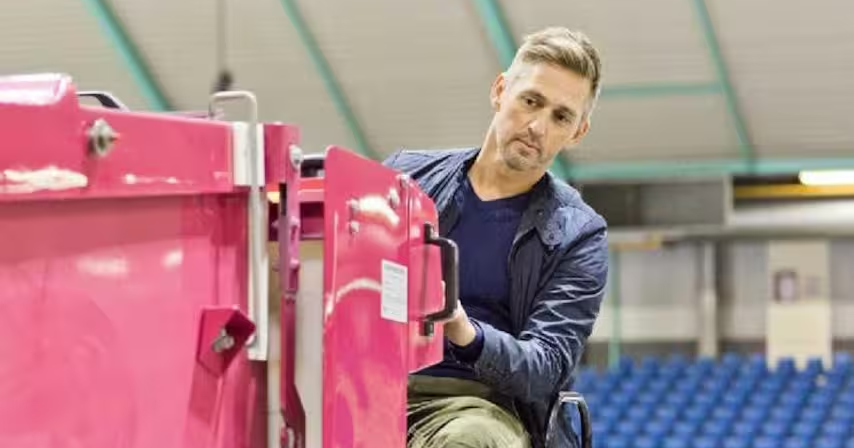
Both Bart Boomsma, ice master for twenty years until 2021, and his successor Marloes Bethlehem, are deeply involved in managing the ice conditions at Thialf, where upcoming ISU World Championships in allround and sprint events are scheduled from March 5 to 8. They emphasize that ensuring optimal conditions for elite athletes requires a substantial amount of energy, with Thialf’s annual usage currently around 6.5 to 7 million kilowatt-hours.
This figure represents a significant reduction compared to the early 2000s when the arena’s energy consumption was near 15 million kilowatt-hours—roughly equivalent to powering five thousand households. The renovation of Thialf in 2014 played a key role in this improvement by prioritizing long-term sustainability. Energy use was ultimately halved through measures such as the installation of 5,000 solar panels generating about 20% of the arena’s electricity needs, as well as the adoption of heat pumps, thermal energy storage systems, a two-megawatt energy hub, and LED lighting.
The integration of ice rinks with swimming pools is also common, as the waste heat from ice cooling systems can be repurposed to warm pools, maintaining energy within the system and improving resource use. These approaches reflect broader trends in making ice sports venues more energy efficient.
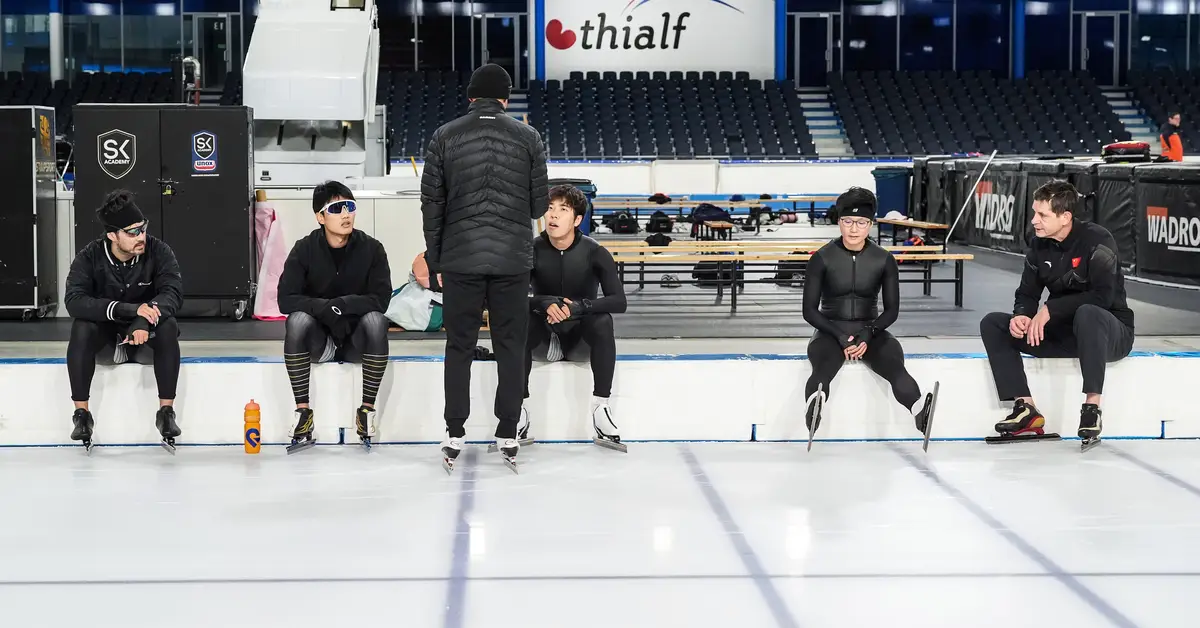
Essent, an energy supplier and sponsor of Team Essent, the Dutch Skating Association (KNSB), and the Sven Kramer Academy, plays an active role in supporting these sustainability initiatives. Essent provides advice to ice rinks on appropriate measures to reduce environmental impact and help keep ice skating accessible for future generations. Their involvement underscores the importance of affordable and sustainable ice facilities as foundational for nurturing young talents and preserving Dutch skating culture.
Both Boomsma and Bethlehem acknowledge the urgency of responsible energy use. Rising costs have further motivated efforts to improve sustainability, which they see as compatible with maintaining top sporting performance. Scientific research contributes to this goal; for example, studies on ice grip and friction help tailor ice properties to different disciplines, providing optimal conditions for speed skating or short track events.
Despite advances, opportunities remain to reduce consumption further. Boomsma notes that ice thickness is often greater than necessary, sometimes up to ten centimeters, whereas 2.5 centimeters is generally sufficient for competitive skating. Thinner ice requires less energy to maintain optimal surface temperatures. Bethlehem adds that adjustments to practices such as ice resurfacing could also improve efficiency, including using cooler water than usual to fill cracks and smooth the ice surface.
Looking ahead, the future of ice rinks is also under discussion in broader contexts. While mobile ice rinks have been used during recent Winter Olympics, Bethlehem is skeptical about their long-term viability. He advocates for maximizing the use of existing ice facilities, aligning with International Olympic Committee policies favoring sustainable venue use over temporary infrastructure.
Collaboration between the sports community, energy providers, and researchers is considered essential for balancing accessibility, environmental responsibility, and athletic excellence. These efforts ensure that ice skating remains a vibrant part of Dutch culture for years to come.