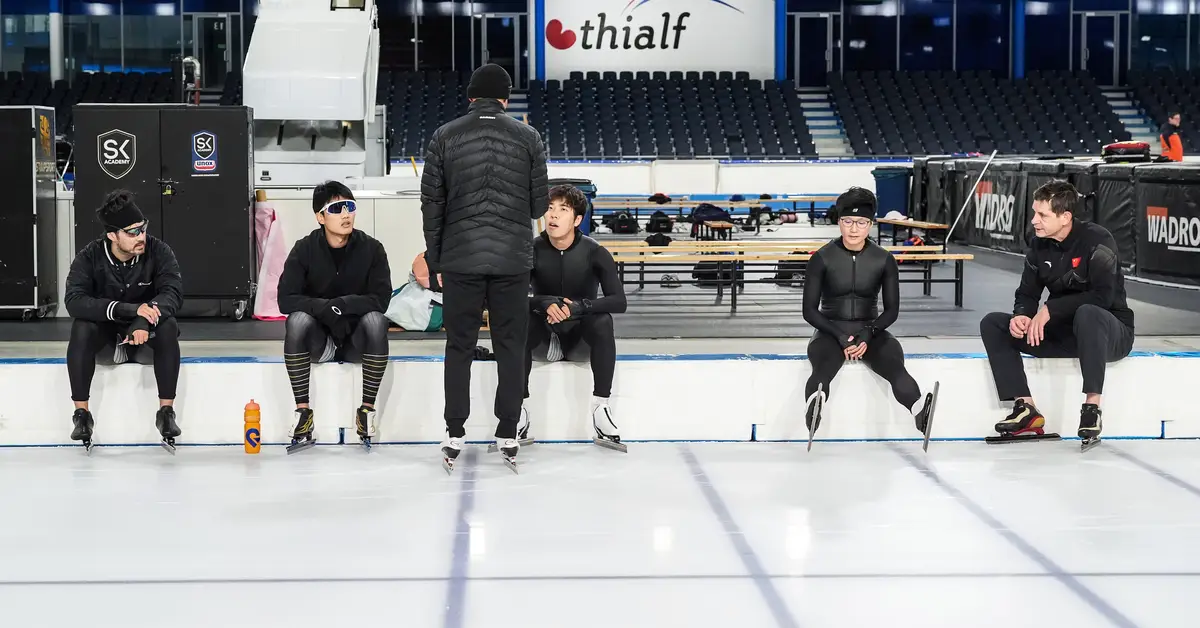
The application of the ANS (Adjusted National Speed) system as a selection tool for speed skating competitions has led to a reduction in travel distances and better distribution of athletes across venues, according to Inge Stoter, director of Innovatielab Thialf.
Schaatsen.nl, a Dutch skating news outlet, reports on this development in the Netherlands.
Stoter explains that using ANS as a selection criterion means parents need to drive fewer kilometers, as competitions held at various venues see improved attendance and atmosphere. Contrary to concerns, the utilization of Thialf’s ice rink has not declined; in fact, the number of starts there increased by 1 percent during the same period. This could be attributed to more opportunities for skaters from Friesland to compete locally.
The Dutch professional skating association NPT has expressed enthusiasm for the ANS system and plans to continue its use in the coming season. Project leader Van der Ploeg suggests that ANS could be applied to other competitions, including national championships for masters and juniors. He notes that the current selection processes cause unnecessary travel to fast tracks like Thialf, but ANS could provide a more accessible path for athletes to qualify for key events without extensive travel.
Meanwhile, the long-track section of the Royal Dutch Skating Federation (KNSB) is considering adopting ANS selection for additional categories, although no final decisions have been made yet.
Van der Ploeg highlights another benefit of the ANS system: skaters have more frequent opportunities to achieve personal bests since they can do so at their home rinks. This increased accessibility may boost athletes’ motivation by increasing the number of positive experiences they have on any ice surface.
Observations of national ANS rankings show a diversification of top performances beyond Thialf, with leading times now appearing also from venues like the junior championships in Breda. This suggests that athletes are peaking appropriately for major events, a result that the ANS adjustment helps to reveal accurately.
Van der Ploeg further reports enthusiastic responses from ice rink committees, some of whom have applied the ANS correction factor during race draws to create more balanced heats. This approach aims to reduce strength disparities between competitors and make races more exciting, demonstrating additional potential for ANS’s benefits in future competitions.