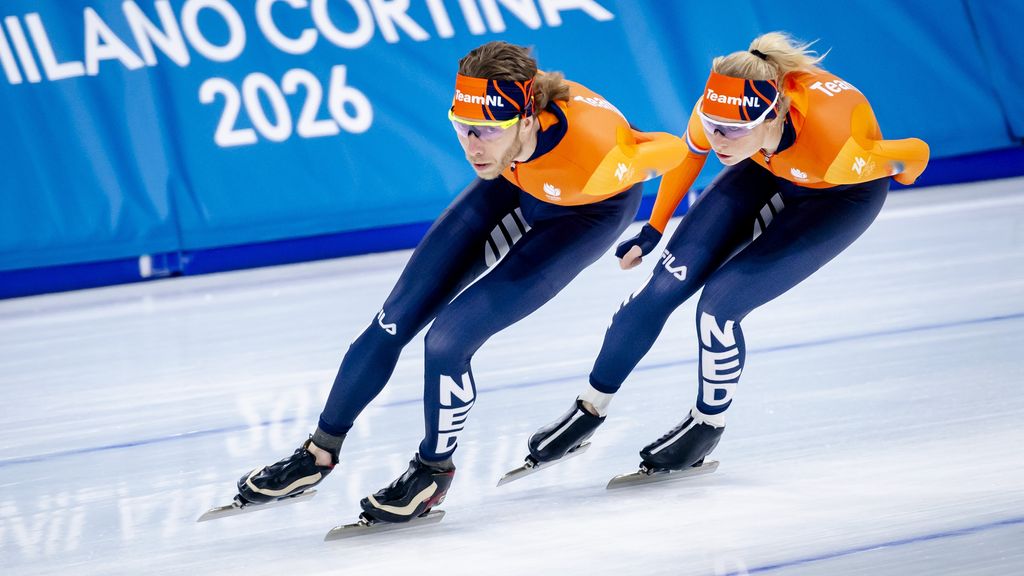
As the Olympic speed skating events prepare to begin in Milan, athletes and coaches are adjusting to the unique conditions of the temporary ice rink, which has been described as softer than usual and producing unusual sounds.
NOS, a Dutch news outlet, reported on the situation at the venue.
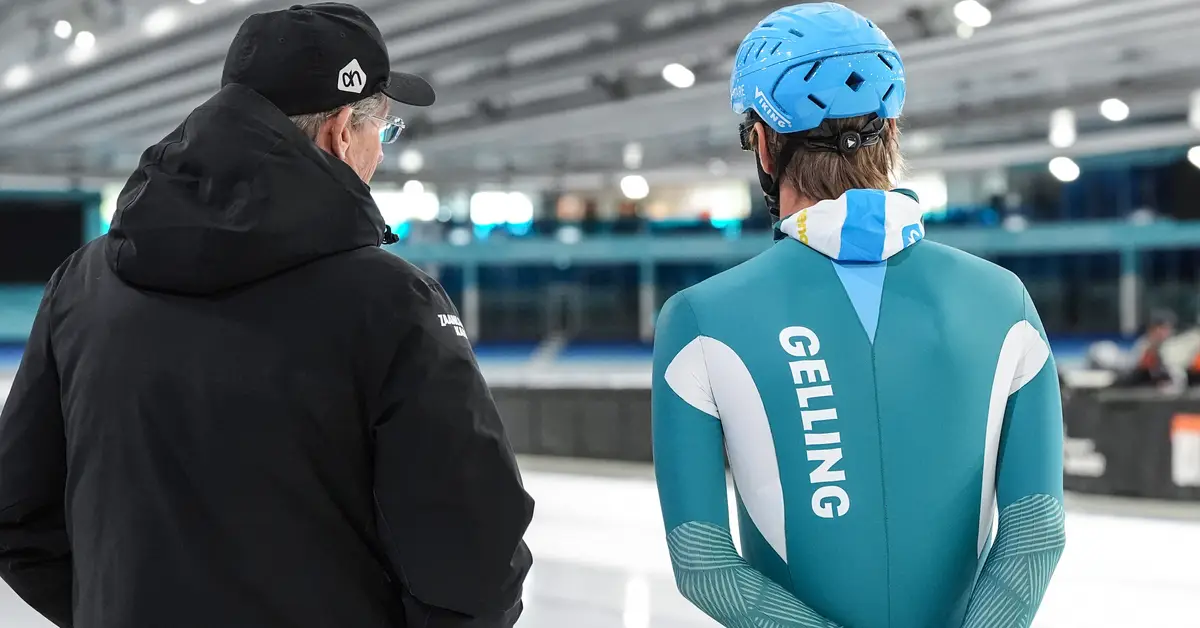
American speed skating coach Bob Corby noticed an unusual softness in the ice during one of the early training sessions at the Milan rink, which is temporarily set up in a congress hall. Corby experienced a slight sinking sensation, which he noted as an effect of the ice conditions. Initially, the ice floor was softer than expected but has reportedly become more stable as preparations continue.
Kjeld Nuis, a Dutch skater, described the ice with some frustration but also with a degree of humor, calling it “soft ice.” He mentioned that such conditions are not uncommon in the days leading up to races at Olympic venues. The head ice technician for the event, Mark Messer from Canada, who has extensive experience with temporary ice rinks and has worked with Olympic ice floors before, indicated that he is closely monitoring the ice and the skaters’ feedback as the competition approaches.
Among the athletes, American Jordan Stolz expressed satisfaction with the ice conditions following his 1500-meter time trial. Stolz commented that the conditions appeared suitable for fast skating and that he was eager to see the results from other competitors. His performance was close to his personal best on a comparable rink, reflecting positive adaptation.
Dutch skater Jorrit Bergsma noted that the ice here is softer than the harder surfaces at training locations like Inzell and Thialf. He remarked on a crackling sound reminiscent of natural ice heard when others skate by, which also caught the attention of Coach Corby. Some variability was noted initially in certain areas of the rink but has diminished over time.
Italian coach Maurizio Marchetto expressed confidence that the ice will be suitable for Olympic competition by the start of the events. He compared the ice’s improvement over time to that of aging wine, suggesting the conditions would continue to improve as the Games progress.