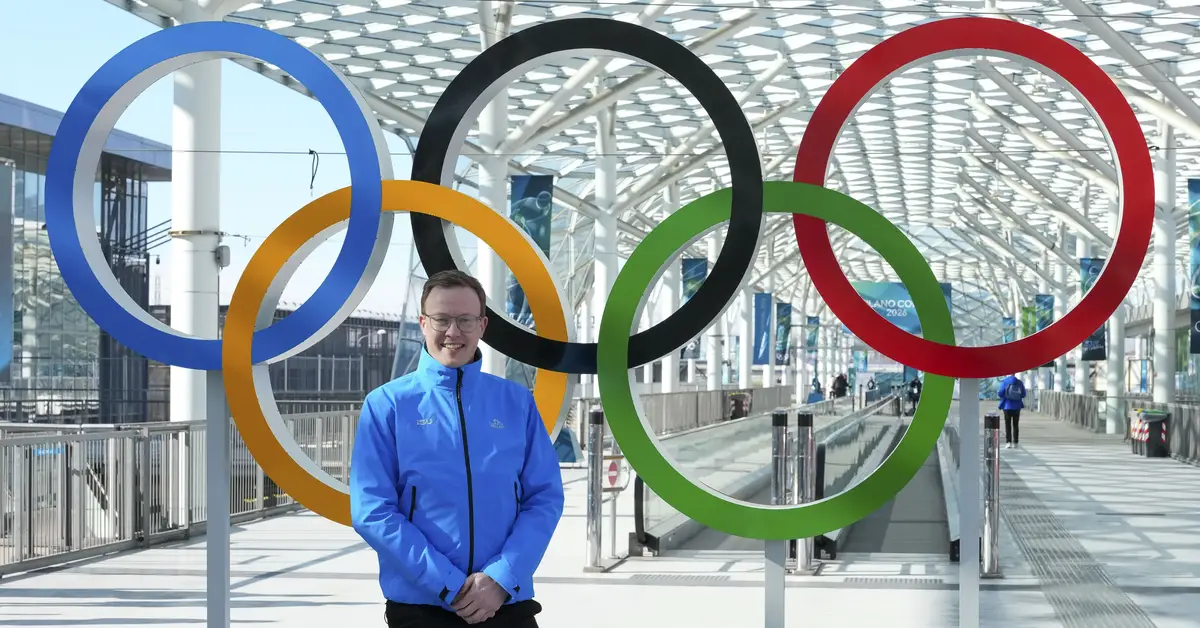
Referee De Jonge is set to officiate at the upcoming Olympic Games in Milan, reflecting on his journey from athlete to official and his preparations for the event.
Schaatsen.nl, published in the Netherlands, provides an in-depth interview with De Jonge about his career and role at the Olympics.
De Jonge described his transition from speed skating athlete to referee, noting that while he initially competed with modest results, his ambition grew when he became an official. He began skating in Drenthe, training with local clubs before reaching the Drenthe selection and competing in events such as the IJsselcup and national junior championships. Balancing his studies and professional commitments eventually led him to retire from competitive skating and move into officiating.
He spoke about discovering a passion for the volunteer side of the sport when he started working as a starter and later as a referee. De Jonge highlighted the importance of volunteers in organizing competitions, emphasizing the camaraderie and shared passion for skating among officials worldwide. According to him, this role has enriched his life by building connections across countries.
To reach the Olympic level as a referee, De Jonge explained that gaining extensive experience in numerous competitions is essential. Since becoming a national referee in 2007, and an international one in 2012, he has gradually moved up to major events like World Cups, European and World Championships, leading to his selection for the Olympic Games.
In preparation for the Milan Olympics, he has studied the particular rules and procedures specific to the Games, such as stricter regulations on heat draws and reserve usage. He stressed the importance of ensuring fair and safe races, especially given the high stakes for the athletes involved in what is often their most significant competition.
De Jonge acknowledged that a well-run event ideally results in officials remaining unnoticed, as this means the competition was conducted fairly and according to the rules. He reaffirmed that the focus must remain on the athletes and their performances, with referees serving to uphold the integrity of the sport.